
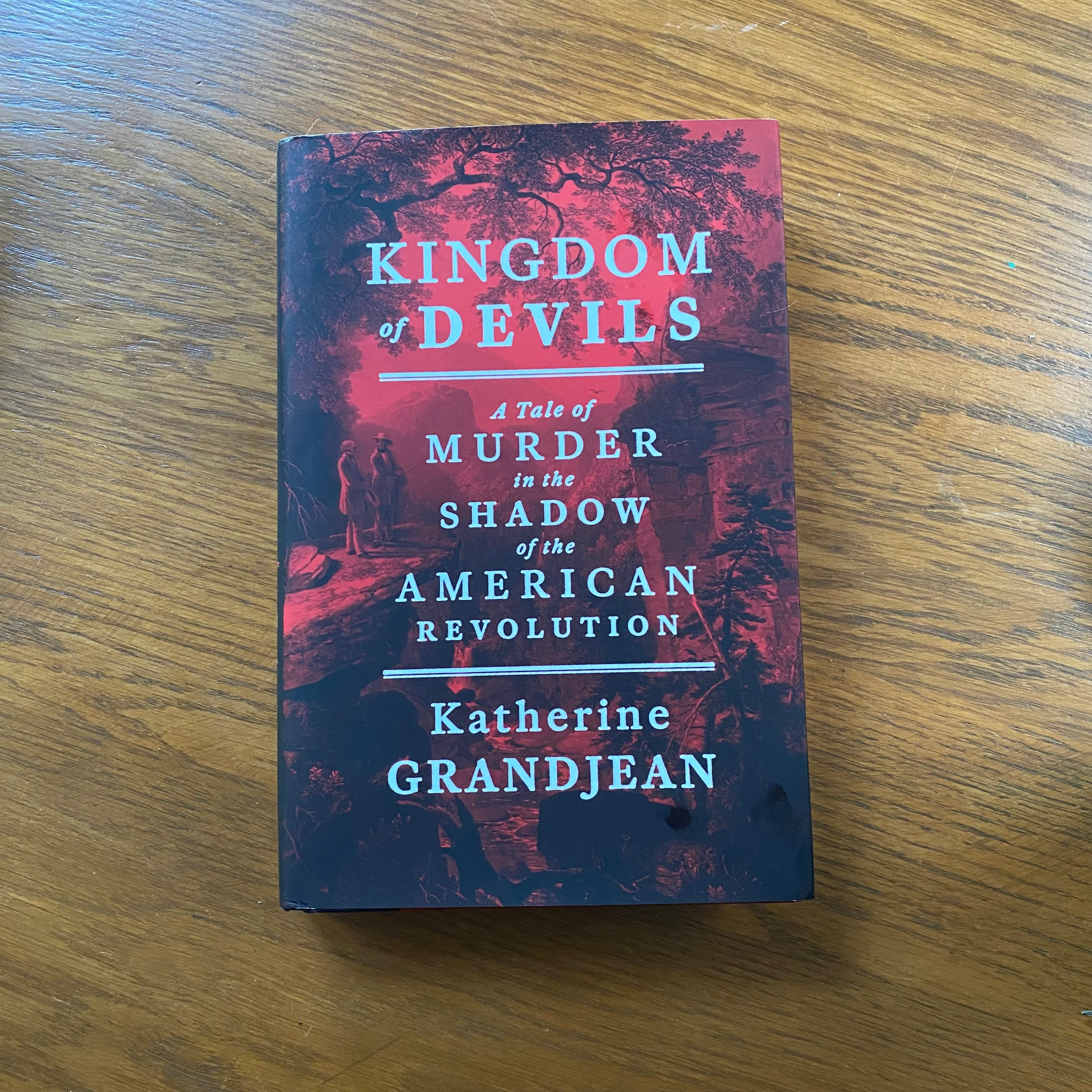
While reading Katherine Grandjean’s excellent new book, Kingdom of Devils, I had a realization: the vast majority of reading I’ve done about America’s Revolutionary Era revolves around the war itself and the leaders who came to define the nascent nation — George Washington, Thomas Jefferson, and Alexander Hamilton are among the most famous names in world history, after all.
But, of course, even in the midst of revolutionary times, other noteworthy things happen.
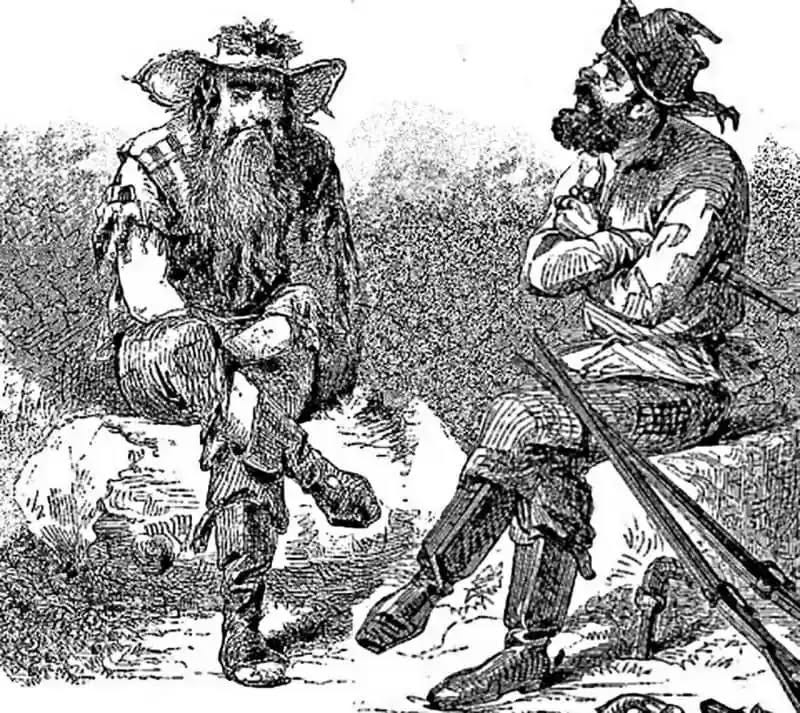
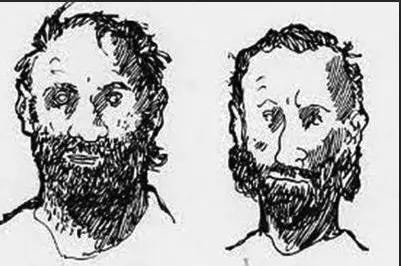
Over the course of 1-2 years in the late 1790s, just as the nation was in the middle of figuring itself out, Wiley and Micajah Harp went on a killing spree, murdering dozens of innocent people. The brothers were deeply impacted — and left behind — by the Revolutionary War and its aftermath. In the midst of great change and upheaval, it’s inevitable that some folks get left behind. For the Harps, that change led to a life of violent crime.
These brothers are not unknown to true crime aficionados, but they were totally new to me. They were, in fact, America’s first documented serial killers and remain among the most prolific in our nation’s history. Let’s explore.
America’s First Serial Killers
“The Revolution did not always look like redcoats marching in lockstep on the mucky roads outside of Boston or like minutemen massing on Lexington Green.”
With 250 years in the rearview mirror, it’s easy for us moderns to forget the idea that the Revolutionary War was actually a civil war. When the Americans prevailed, it was a cultural and political tide shift unlike any these people had been through before. There were new laws, currency, customs, and entire ideologies.
It was a “deeply destabilizing” time period of land grabs, fraud, and violent interactions between varying groups of people.
Enter the Harp brothers of Appalachia.
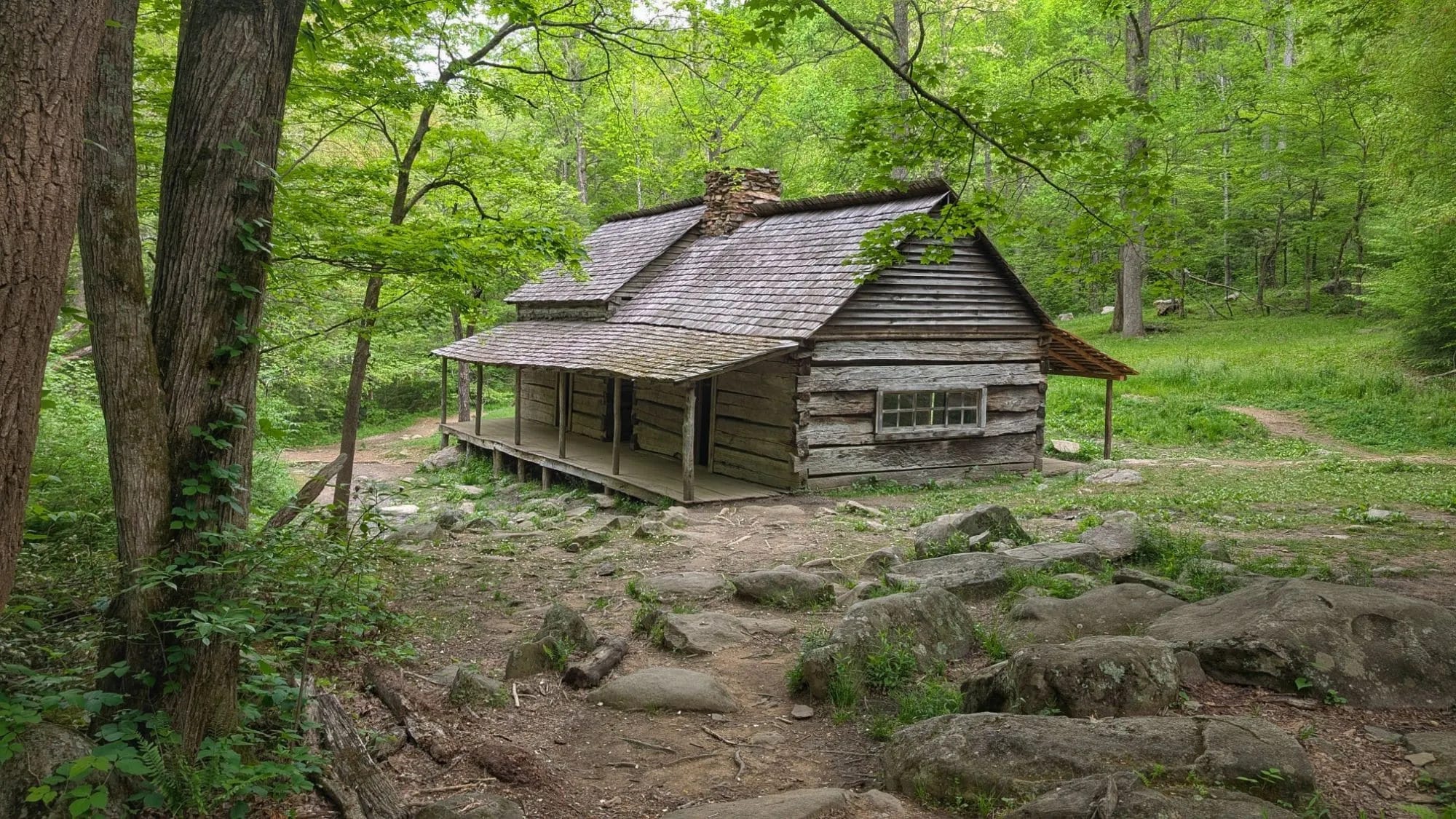
Subject to both new taxes and (likely) some fraud, their precious land ended up no longer in their hands. They didn’t take kindly to that and instead got in the business of killing. And boy did the Harp brothers do a lot of killing — perhaps upwards of a three dozen victims, with not much of a real pattern other than their victims being at the wrong place at the wrong time.
Many historians and true crime nuts have simply concluded that the Harps were full of an unquenchable bloodlust. But Grandjean makes the compelling case that they were actually responding to a unique cultural unmooring; they couldn’t adjust to this new world being unveiled and took their anger out on innocent men, women, and children.
Making the tale even more interesting was reading about how a case like this was handled back then. There was no central police or investigative institution; justice generally came in the form of self-organized posses. And forensic science was non-existent, making it impossible to determine the kinds of details that modern detectives rely on. It made for a dramatic and somewhat mysterious ending — one that I won’t give away here.
Conveying the Unknowable
Throughout the narrative, Grandjean is very upfront about the dates and details that aren’t totally verifiable in the historical record. There’s a lot we know about the Harp brothers and their crimes, but also a lot we don’t. To combat some of that unknowability, she carefully recounts the cultural and sociological landscape of the era, making educated inferences when it seems responsible and flatly stating guesswork when that’s all she can do.
I found it rather commendable that Grandjean built her story in this manner, giving readers the inside scoop on her research successes and dead ends. Even in the field of history, there are things that will forever remain a mystery. That doesn’t mean there isn’t a great story to tell within those limitations.
I don’t think I’ve ever read a book that’s so honest about where it’s coloring outside the lines — it gave me a nuanced appreciation for the work historians do. I actually came to wish there were more authors who would admit when research reached a roadblock and then make some guesses anyway; let readers ponder through the possibilities instead of feeling the need to give a single clear picture of events.
A Final Word
I really enjoyed Kingdom of Devils, particularly for its window into some of the ordinary characters of the Revolutionary Era. It was eye-opening to read about just how upending that time period was — especially for average folks who didn’t have clear allegiances in the war and were simply trying to get by. Grandjean also offered fascinating insights into the violence and vigilante justice system of the time period. It was a gripping story that I had a hard time putting down and is well worth the ~250-page investment.
Thanks so much for reading. Be good to each other.
-Jeremy
I'll take this rec! I've only read articles about the Harps, not a book, so I need to do that. I'd always heard that they may have called themselves brothers, but they were actually cousins, which kind of makes it worse because it means the brutality was spread out in the family.
Great review. I'm fascinated. And if you haven't already read it, I recommend Why Fish Don't Exist by Lulu Miller. She also does a commendable job of exploring history, informing the reader when she is speculating when there are no hard facts. She experiences a shift in beliefs when she is confronted with facts that don't align with her view of the subject. Just a great job.