
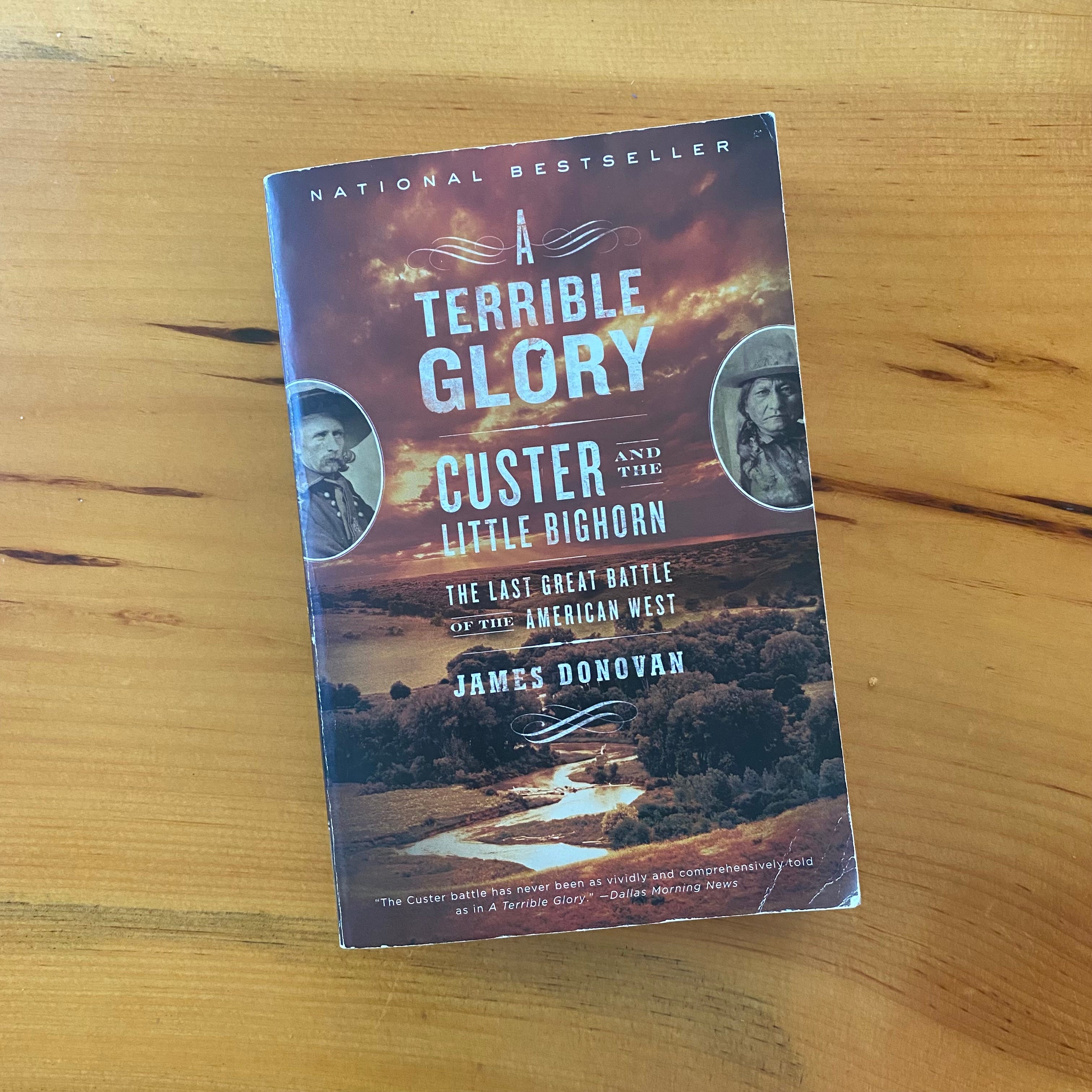
Published: 2008
Pages (not including notes/index): 398
There’s no history subject more quintessentially American than the study of our Western frontier. From the earliest days of European settlement in America, there was a westward longing and a psychological pull towards new land. Contentment has never been part of our collective psyche. When those white settlers started acting on that longing, conflict with this land’s indigenous groups became inevitable.
Though it’s not a single war in the strict sense, the North American battles between whites and indigenous people, roughly between the 1620s and the 1890s, easily constitute America’s longest-lasting military engagement. One of the most interesting periods of that century-spanning conflict is the tail end, when some incredibly charismatic personalities clashed in a verdant valley in eastern Montana.
You probably know the names Custer, Crazy Horse, Sitting Bull, and Little Bighorn. But you may not know the full complexities of the battle that marked the beginning of the Indian War’s final phase.
James Donovan’s excellent book, A Terrible Glory, brings all those characters — and their final clash — into stark relief. Let’s explore.
I have an interview with author James Donovan coming on Thursday. Subscribe now to get it right to your inbox.
Setting the Stage
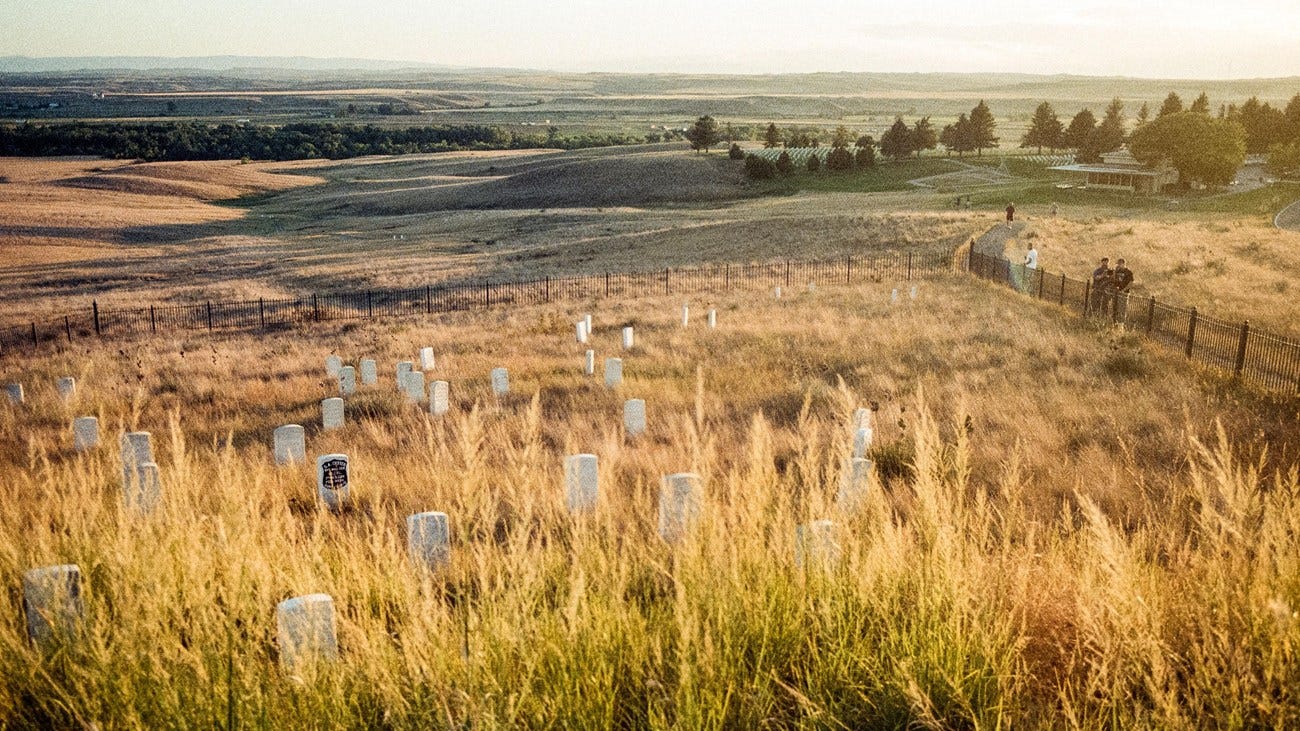
A book like this — and there are many of them — is a challenge to write for many reasons. The context alone of U.S.-Indigenous interactions could take hundreds (if not thousands) of pages. A biography of one of the primary characters is likely easier; there’s a clear start, end, and point of view to keep the story focused. Donovan wisely used the first ~100 pages to set the stage and get us up to speed on the main characters as well as the immediate backstory for both the Plains Indians (largely Lakota) and the U.S. government/military.
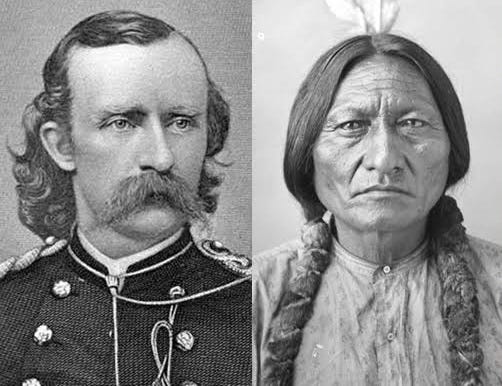
On one side stood Lt. Col. George Armstrong Custer, a Civil War hero and a bit of a dandy whose appetite for glory was matched only by his confidence. Opposing him were two of the most influential Lakota men of the era: Sitting Bull, a spiritual leader whose vision helped unite factious tribes, and Crazy Horse, the brilliant (and also somewhat dandyish) warrior whose courage in battle had already become legendary.
Looming above all that — and above the entire 250-year history of this fight — was a collision of irreconcilable worldviews. The U.S. government sought to force American Indians onto reservations so that settlers and land-grabbers could stake their ownership. Unsurprisingly, the Lakota, Cheyenne, Crow, and others didn’t even understand that concept and simply wanted to preserve their sovereignty and way of life — which, to be clear, included copious warring, land theft, rape, and terrible violence between tribes.
An Inglorious End for Custer
It’s impossible to recap the entire story in a couple paragraphs. It’s simply too complicated and there are too many threads to follow. Plus, a short YouTube video does the trick as well as anything:
The beauty of a good book, though, is that it’s so much more than just a recap of what happened. Donovan’s detailed but propulsive battlefield narration put me right in the middle of that valley.
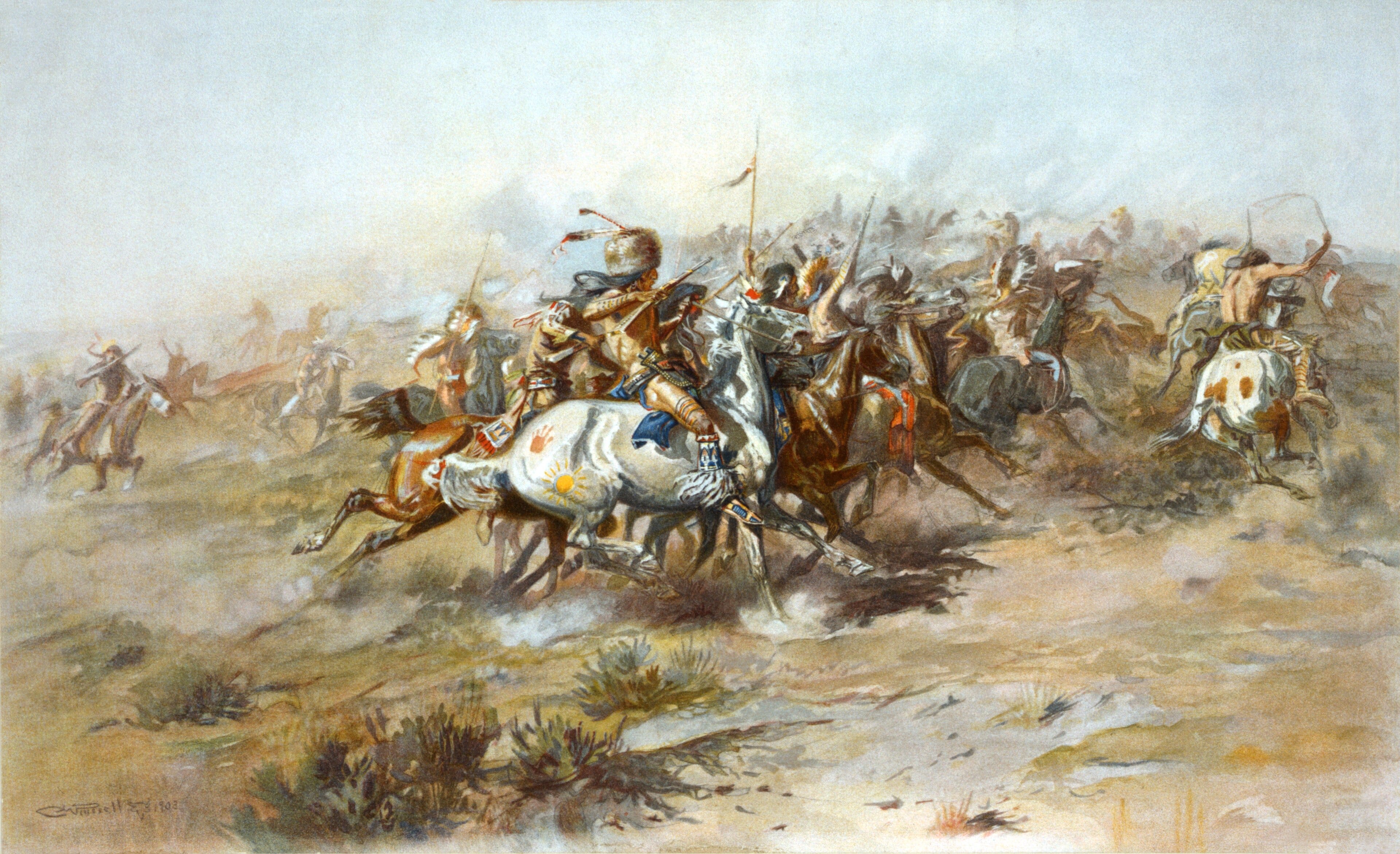
What stood out from the whole thing was that Custer’s end — the murder and mutilation of 268 United States soldiers, including Custer himself, at the hands of the Plains Indians — was the exact opposite of what he expected and most desperately desired. Custer’s hubris had him believing that no contingent of American Indians could be big enough, strong enough, or strategic enough to defeat even a small group of soldiers. No matter how many history books I read, I’m always amazed at how many defeats and downfalls started with hubris. (Most of them.)
Donovan did an excellent job showing that the battle was almost apples and oranges: the war aims and means for soldiers and Plains Indians was so different as to hardly be comparable — it generally worked in America’s favor, but not always.
Of course, what was considered a ghastly defeat for the U.S. military was a rollicking victory for the Plains Indians. But, it was a victory that would lead to their eventual demise. The entire ordeal is a tangle of eventualities and inevitabilities that can make your head spin.
The Lure of the West
Put simply, I can’t get enough American West stories. It’s a landscape I deeply love and its past is chock-full of some of the most colorful characters in our nation’s history. The West was, and still is, a place where America’s worst traits and most vitalizing ideas come to a head. Even if I got a touch bogged down in some of the militaristic details, Donovan did an excellent job setting the scene and capturing the complicated witch’s brew of the people and specific circumstances that led to the gruesome results at Little Bighorn. I have plenty more to read about this battle — A Terrible Glory was my first foray into it — but I can confidently say I’ll be recommending this book as an excellent starting point for anyone interested in the subject.
Thanks for reading. Be good to each other.
-Jeremy
Having just finished reading Lonesome Dove with the Dying Breed book club, this story seems a natural follow up. Thanks Jeremy.
In case you want a more indepth view on one of the principals involved, on your Pulitzer list, is T J Stiles’s Custer’s Trials: A Life on the Frontier of a New America. It won the Pulitzer for History, but really more a biography of the complex individual of Custer.