
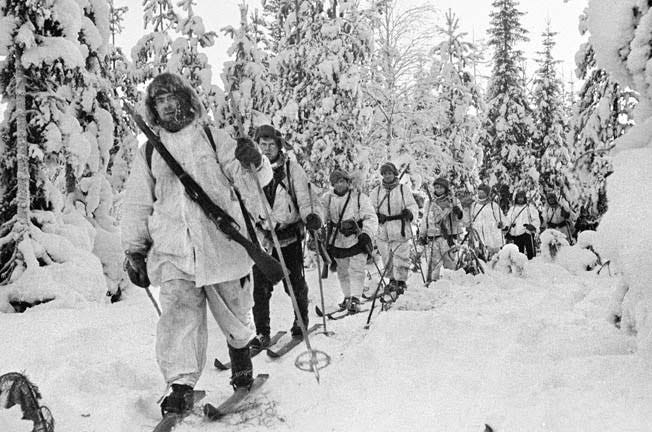
“I’m certain that we’ve awakened their damn sisu. . . Sisu is the soul of Finland. The spirit of a people that lives in savage nature, in biting cold, with only rare sunshine. An austere life in a hostile environment has forged their mentality into a steel that still resists us today. . . stubbornness, pluck, inner strength, tenacity, resistance, determination, willpower . . . They are as cold and savage as the heart of their forests.” —Russian commander Semyon Timoshenko, as fictionalized in The Winter Warriors
What’s makes World War II so fascinating to learn about is how many somewhat forgotten subplots there were, which in other circumstances would’ve made for incredible historical events on their own.
One of those was the Finnish Winter War, which took place during the subzero months of 1939 and 1940. Separate from the broader conflict happening in the rest of Europe at the time, Stalin ordered the Soviet army to invade Finland after the two countries failed to reach an agreement over Stalin’s demands for territory and military bases. Stalin feared that Finland could become a launching point for a German attack on Soviet soil. At a basic level, he wanted to push the Finnish border farther away from the strategically vital city of Leningrad.
Stalin badly underestimated what he was getting himself into.
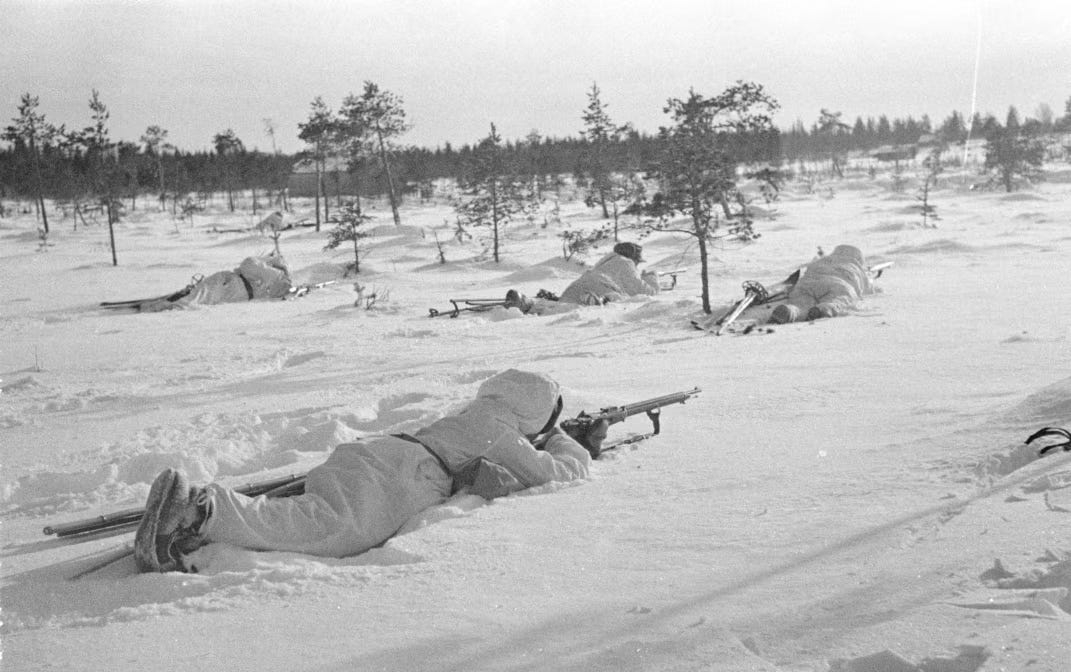
The Finns famously fought back with an outsized courage, vigor, and resilience — sisu! — that took the Soviet army completely by surprise. Rather than the 10-day conflict Stalin envisioned, the war-within-a-war lasted for over 100 days. It claimed the lives of ~150,000 Russians and ~26,000 Finns — an unexpected ratio to say the very least.
In the end, Finland had to capitulate. Russia simply had too many men to throw into the wood chopper. But the Finnish example would go on to inspire other smaller nations in their own fights.
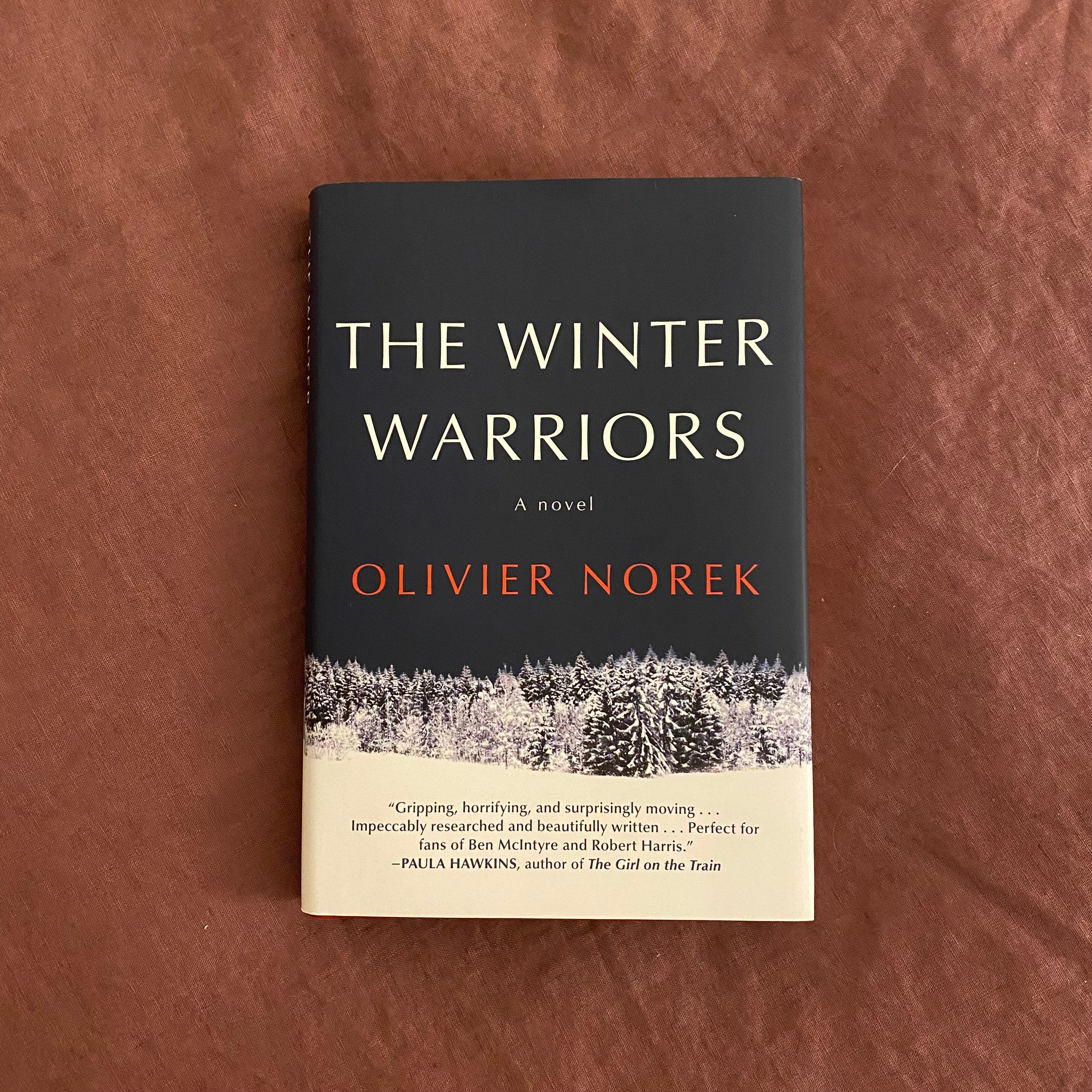
In The Winter Warriors, a novel of the war, French author Olivier Norek brings this conflict vividly to life. Despite it being fiction, nearly every character and event is real, with just slight imaginative effect in putting various pieces of the story together.
The Tale of the White Death
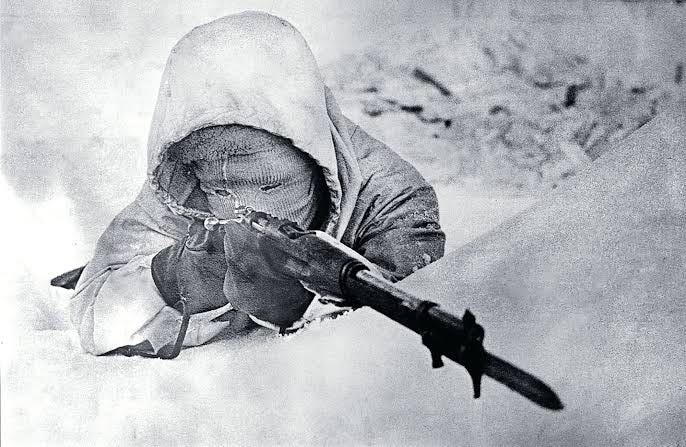
At the heart of the story is Simo Hayha — aka “White Death” — the unforgettable protagonist and real-life soldier who is known today as the deadliest sniper in history. He killed over 500 Russian soldiers in those 105 days — not out of bloodlust, but out of sheer necessity for his own survival and for protecting his wrongly-invaded homeland.
Norek does incredible work bringing Simo and his friends to life in the brutally cold environs of Finland. That particular winter saw temperatures plunge to -50 degrees — cold enough to literally stop men and tanks in their tracks. (Especially the Russians, who were ill prepared for such extreme weather.) I couldn’t help but shiver as I read about how Simo would lie still for hours on end, even filling his mouth with snow as to tamp down the visible vapors of breath that could give away his position.
As everyone in the story does, Simo loses friends and comrades but is forced to continue on anyway. It’s a story as old as time, and yet it’s one that never grows stale in being retold.
The chapters are short, brisk, and filled with spectacular prose. Norek quckly gets to the point, but never sacrifices his writing quality. Interspersed between Simo’s story are chapters on Finland’s and Russia’s leadership, showing how desperate each side was, albeit in very different ways. There are times where the story takes brutal turns, yet it’s never gratuitous or unnecessary.
As far as war novels go, I honestly can’t think of many that have done it better than The Winter Warriors. Simo’s story is going to stay with me for a long time. When I’m complaining about the cold here in Duluth, Minnesota this winter, I’ll remember what this guy suffered through and maybe it’ll toughen me up just a little.
This is a great novel that I haven’t seen hyped nearly enough. Go find it and give it a read ASAP!
Thanks for reading. Be good to each other.
-Jeremy