
I’m thrilled to share my favorite reads of the year with all of you! I had a really interesting reading year with a number of re-reads as well as a ton of new-to-me classics. According to my spreadsheet, the average publication date for my books read this year was 1967 — the earliest it’s ever been. I can’t say it was my best or most enjoyable reading year, but it was always illuminating. I finally feel like I’m no longer playing catch-up with the classics, which helps me feel a little freer in my reading selections.
My picks this year are organized into four categories:
Contemporary Fiction
Classic Fiction
General Non-Fiction
Biography & History
Without further ado!
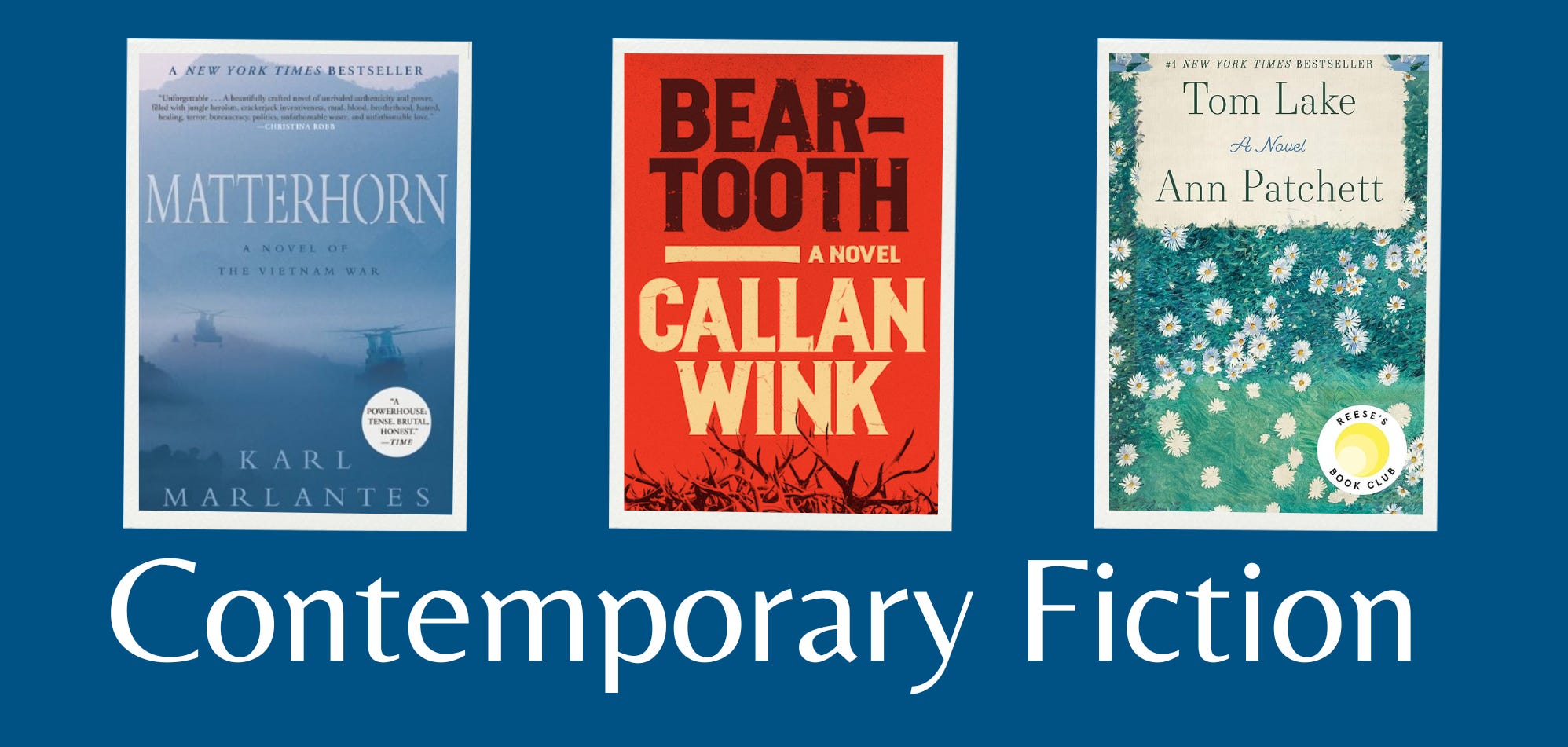
Matterhorn by Karl Marlantes
From my original review in October:
“Much like the [Vietnam] War itself, there’s not a lot of forward progress in the novel. There are times where it reads like Catch-22 in its bureaucratic nightmare and times where it reads like Band of Brothers in its depiction of martial brotherhood. In being able to combine those themes, Matterhorn stands a cut above. It’s over 650 pages long, but it’s a masterpiece.”
The best war novel I’ve read. Period.
Beartooth by Callan Wink
Brothers Thad and Hazen live in a remote area near Yellowstone and things are not looking good for them — bills are piling up, the car’s breaking down, and they’re getting desperate. An offer from a nefarious stranger becomes too good to pass up, and soon enough the brothers are plotting crimes on federal lands. So many of this novel’s elements are catnip for me: it’s gritty, tender, wise, earnest, and page-turning. All of that is layered on top of a beautifully atmospheric and outdoorsy setting that I can’t resist. If you like Peter Heller, you’ll enjoy Callan Wink.
Tom Lake by Ann Patchett
This is one of those novels that I have a hard time articulating my love for. It’s Patchett at her best — lyrical and moving writing without a ton of plot. Read the blurb if ya want, but ultimately it’s a beautiful meditation on what it means to remember the past, finding what you really want in life, parents connecting with children (and vice versa), and the things we keep to ourselves. I’ve read the paper version as well as listened to Meryl Streep’s excellent narration. I think it’s my favorite of hers.
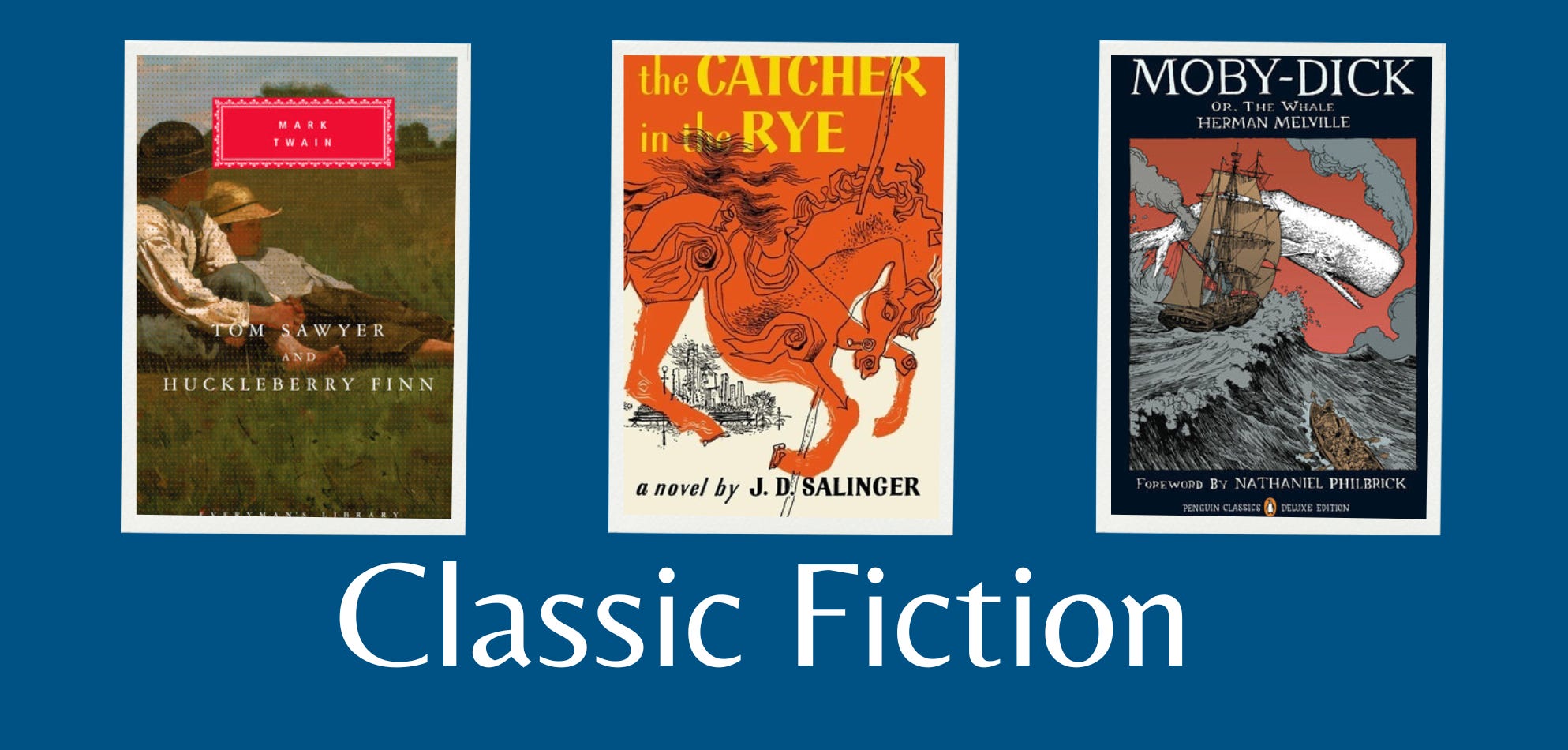
The Adventures of Huckleberry Finn by Mark Twain
From my original review in July:
“Unlike Tom Sawyer, which is largely a lighthearted boy’s adventure tale, Huck Finn tackles rather adult themes in a style that deftly mixes satire with earnestness. Finn is a son to an abusive father who makes an escape with a runaway slave named Jim. You may or may not know that broad outline of the story; what you should know is that Twain gives us one of the great coming-of-age tales in our nation’s history. Huck comes to grips with Jim’s forced servitude as well as his humanity; he comes to understand that freedom of thought and human compassion are more important than anything else, even at the expense of status.”
If it’s been a while (or forever) since you’ve read Huck Finn, it’s high time to crack it open.
The Catcher in the Rye by J. D. Salinger
This summer I re-read Salinger’s hotly debated classic and ended up totally changing my mind about it. Most readers today talk about how annoying Holden Caufield is — and in my 20s, I definitely agreed. But I’m in my late 30s and this time around I really felt for the kid. He’s full of grief and loneliness and doesn’t want to grow up to be a boring, phony adult. I get it!
This book is definitely worth reading and fully deserves it’s place as an American classic. I’ll be doing my best to revive its reputation here in the 2020s.
Moby-Dick by Herman Melville
Moby-Dick is surely among the most recognized book titles in the world; it is also one of the most abandoned by readers who start it. There’s no denying that it’s not easy to get through. The language is dense and even biblical, and the numerous digressions can be head-scratching to say the least. It took me two readings to really appreciate it — I first read it in 2019 — and I sure don’t fault anyone for not getting very far.
That said, Moby-Dick offers some of the most profound explorations of humanity and the human psyche that I’ve ever encountered. I’m quite glad I gave it another shot.
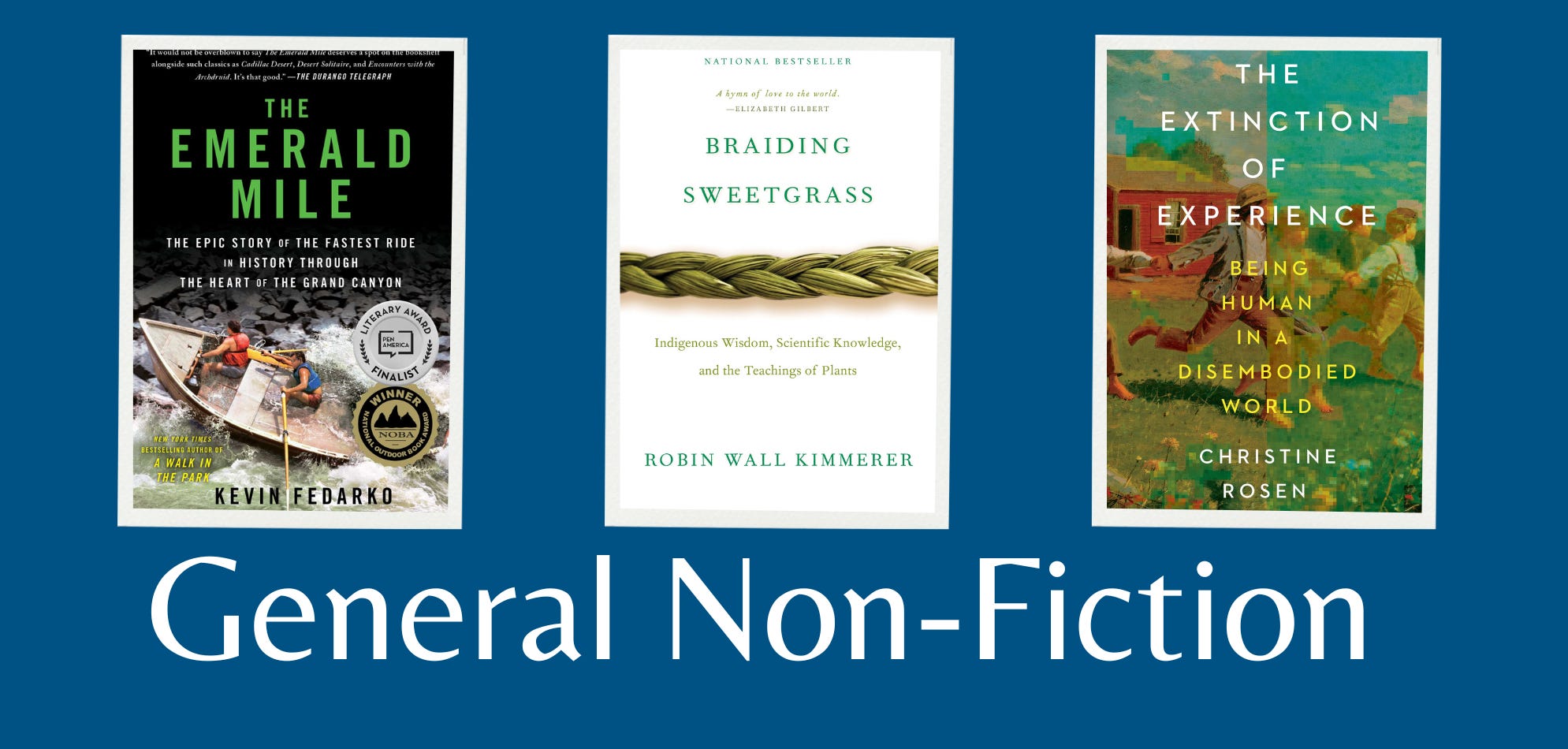
The Emerald Mile by Kevin Fedarko
From my original review in June:
“Our final book club gathering before leaving Denver was spent discussing Kevin Fedarko’s fantastic The Emerald Mile.
While seemingly about rebel boatman Kenton Grua’s famed speed ride through the Grand Canyon, the most interesting parts of the book detail the 1983 flood and the broader water management issues of the Southwest. There is a lot of engineer-speak in the narrative and Fedarko manages to make it utterly riveting.”
Braiding Sweetgrass by Robin Wall Kimmerer
From my original review in March:
“I deeply appreciated Kimmerer’s spiritual and emotional reflections on the natural world. Most environmental/climate books I’ve read are very science-heavy, pulling all emotion out of it. They describe what’s happening in the world and the practical reasons we should care about the environment. But my own relationship to nature is incredibly personal and emotional. Being in the mountains, being near water, being in the trees — these are things that restore my soul. My love for nature is far more spiritual than practical, and I really enjoyed seeing that reflected in Braiding Sweetgrass.”
The Extinction of Experience by Christine Rosen
From my original review in July:
“Perhaps the most nefarious effect of smartphones on our society is that they remove us from the present moment — our devices not only interrupt real-life experiences, but even keep us from having them in the first place.
Though author Christine Rosen weaves plenty of reasoning and science into her arguments, more potent for me were actually the emotional and tactile appeals to relying less on our devices and simply being more here.”
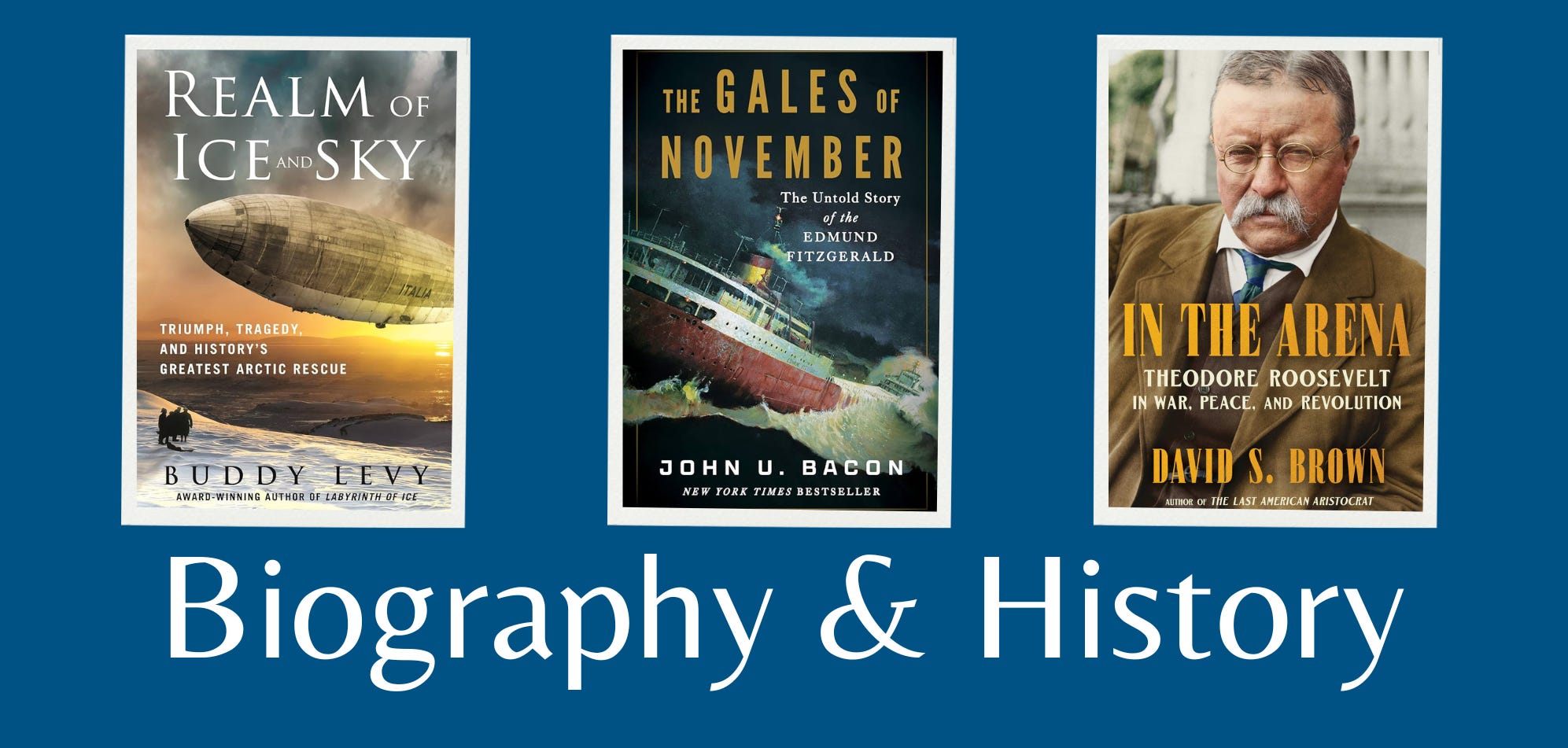
Realm of Ice and Sky by Buddy Levy
From my original review in February:
“I’ve read a lot of polar stories, but Realm of Ice and Sky was unique. [Roald] Amundsen, in particular, is an eminently compelling character and any story featuring his Nordic stoicism is worth reading.
A book like this could easily have felt somewhat disconnected, but Levy did a fantastic job weaving the stories together and making it a cohesive narrative. I was always eager to pick it back up and flew through the pages in a matter of days. Levy remains a foremost chronicler of arctic expedition stories and I can’t wait to see whatever it is he decides to write next.”
The Gales of November by John Bacon
From my original review in October:
“In his new and fantastic book, John Bacon peels back the mystery and gives readers the story of not only the ship itself, but also the 29 men who lost their lives 50 years ago. While he doesn’t put forth a definitive answer — something we’ll never have — Bacon does present a couple compelling hypotheses. I also really appreciate that he spent some time talking about the lasting impact of the Fitzgerald’s sinking, particularly for the Great Lakes, even giving us a deep dive on Gordon Lightfoot’s melancholy hit song, The Wreck of the Edmund Fitzgerald.
As someone who’s newly local to Lake Superior’s shores, this book shined a light on the character and history of this area. But it also went much further than that, telling a moving story of hard work, passion, and compassion in the midst of a mysterious and watery disaster.”
In the Arena by David Brown
There are a lot of books about our energetic cannonball of a president, but David Brown’s In the Arena stands out for humanizing Theodore Roosevelt. TR has become almost a caricature of a heroic, hyper-productive human who helped shepherd the country into its era of industrialization. While I certainly don’t mind a mythological framing now and then, I really appreciate Brown’s ability to make Roosevelt a relatable, awkward, and less-than-perfect individual. In the Arena is less about critiquing than simply re-framing TR as a person rather than a cartoon. If you have an interest in U.S. history, this efficient biography — just over 400 pages — should be on your list (even if you’ve read about Roosevelt before).
Thanks so much for another great year at Read More Books. I’ll send a couple other issues before the year is out and then 2026 will bring something slightly different to the newsletter. Happy holidays, folks!
-Jeremy
Always appreciate your thoughts. I have a pretty good suspicion that Gales is under the tree for me, and I'm taking my first stab at Moby Dick in '26!
Have you read James, by Percival Everett? Its my favourite read of the year and a really great retelling of Huck Finn