
Happy Friday, readers!
The books featured today both ask some big questions — one does so through a sci-fi lens and one does so within a modern, realistic suburbia setting. They both ultimately get at something along the lines of: Is this the best we can do? We have infinite information at our fingertips and technological wonders galore, but all we end up doing is staring at our little bricks and wishing more people would stare at us through their bricks.
Neither of these books were published by Big 5 publishers. They weren’t featured in glitzy social media influencer campaigns or endless podcast tours. They don’t have thousands of reviews on Goodreads/Amazon. In some ways, that makes both of these books even more worth your time; they’re unique in the world of publishing and they’re both written incredibly well. These are the kinds of authors and books who need the support of readers like you.
Let’s take a closer look.
As always, I’d love to hear what you’re reading and enjoying.
Exogenesis by Peco Gaskovski
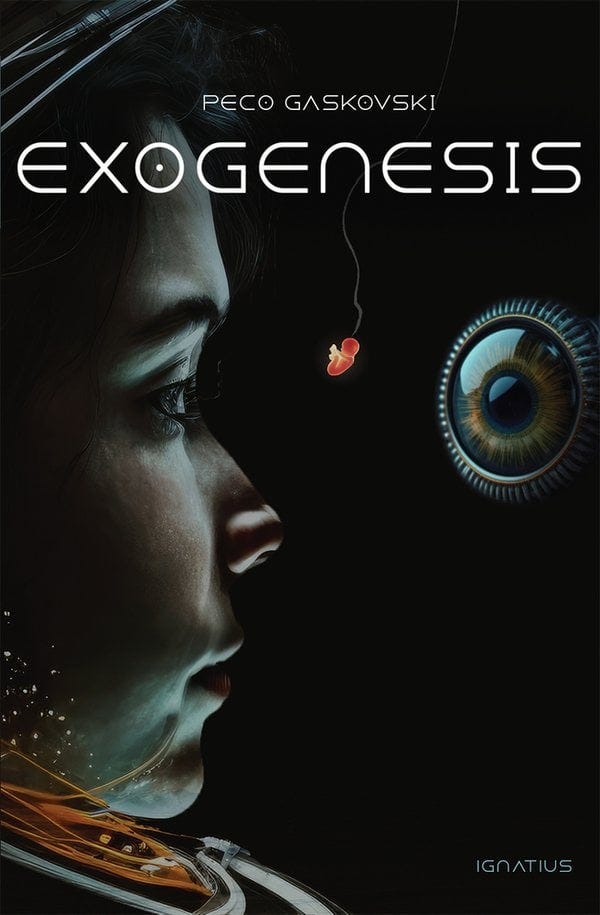
I’ve been following Peco and Ruth Gaskovski here on Substack for years; they’ve been around since the early days of the platform and I always enjoy their thoughtful musings on how to rebel against Big Tech taking over our lives. In addition to having the heart of a philosopher, Peco is also a novelist — and a dang good one.
Exogenesis is a dystopian story about what happens when fertility is controlled and parents (mothers, especially) are spared the messiness of pregnancy and birth. Instead, babies are grown in artificial wombs and genetically tailored to their parents desires. Not only that, but citizens who don’t opt into this set of rules are subject to forced sterilization.
A rebellion is brewing, though. For a certain group of people, this way of life is not one to be blindly accepted. And one government officer, Maelin Kivela, has to find out the hard way.
The story contains elements of George Orwell, Aldous Huxley, and even Neil Postman — it’s about what happens when we allow “progress” to take away the things that give life meaning. There’s one line, especially, that I haven’t been able to get out of my head:
“There is no God in the Machine.”
Really, you don’t need more narrative synopsis here. If you at all enjoy dystopian tales that explore the ideas of love, meaning, and the messy satisfactions of the human experience, you’ll love Exogenesis. Peco’s newest book, The Last Upheaval, was just published this month; it’s set in the same world and I can’t wait to dive in.
The Last Supper by Wendy Fox
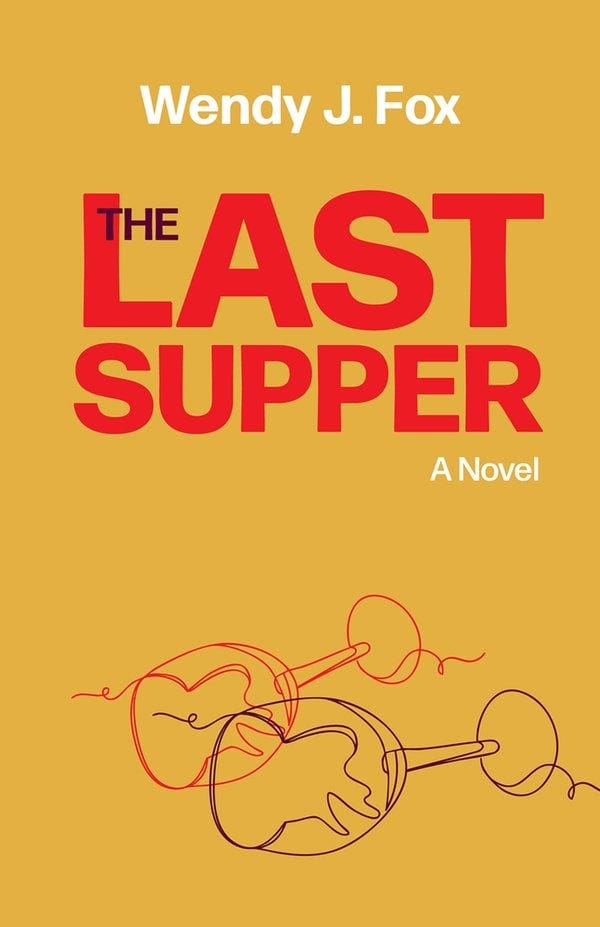
Amanda just turned 40, she’s stuck in a shitty marriage, and even though she enjoys her two young boys, being in full-time mommy mode is making her feel crazy. She wants something more — something to fulfill her creative energy beyond just school carpools and endlessly picking up toys and meals.
So she comes up with “AMANDAtory” — the next big mom-fluencer brand, or so she hopes. The problem: she still has to care for the boys and get that stinkin dinner on the table. Plus, there’s the friend/neighbor/brand photographer who’s also in crisis; plus there’s her husband’s long and mysterious absences; plus there’s the question of divorce . . . it’s a lot for anyone to handle.
Amanda is a great character. She feels like a real human, full of hopes and contradictions and the tedium of needing to just get through each day as a middle-aged parent to young children. It’s set over the course of just a few weeks and the author gives each day the harried but also never-ending feeling that we’ve all experienced. Amanda’s constant worries about dinner, especially, are funny and wildly relatable.
As I mentioned above, this book in particular prompted an idea that I kept thinking about: Humans are capable of incredible things. We are resilient, creative creatures who can accomplish nearly anything we set our minds to. And yet the idiocy of social media has convinced plenty of us that our highest aim should be more time on a screen and scoring brand deals for followers who don’t actually know anything about us.
What a tragedy.
While Amanda doesn’t exactly arrive at a tidy conclusion, there are glimmers that she’s realizing something important about what really matters in life — that we’re made for more than “influencing.”
The Last Supper is well worth reading if you’re looking for something unique and realistic in our world of contemporary fiction that all looks and feels the same. If you’re approaching midlife and have kids at home, you’ll certainly feel seen; if not, you’ll get a glimpse into what this stage of life is like here in the 2020s.
Thanks so much for reading. Be good to each other. Until next week,
-Jeremy
Both books sound worthy of my time. I know @matthewlong enjoyed Exogenesis as well.
Glad you enjoyed Exogenesis.