
James M. Scott is a historian of World War II’s Pacific Theater. His new book, Empire of Ashes, tells the story of Truman’s decision to use nuclear bombs, how Japan’s leadership responded, and what the experience was like on the ground in Hiroshima and Nagasaki. The book is the third book in Scott’s unofficial trilogy of stories about U.S. bombing raids in Japan.
If you missed my review of this excellent series of books, check it out now:

I was honored to be able to interview James about his books and how he arrived at being a WWII historian.
Read all my author interviews here.
And don’t forget to subscribe if you haven’t yet.
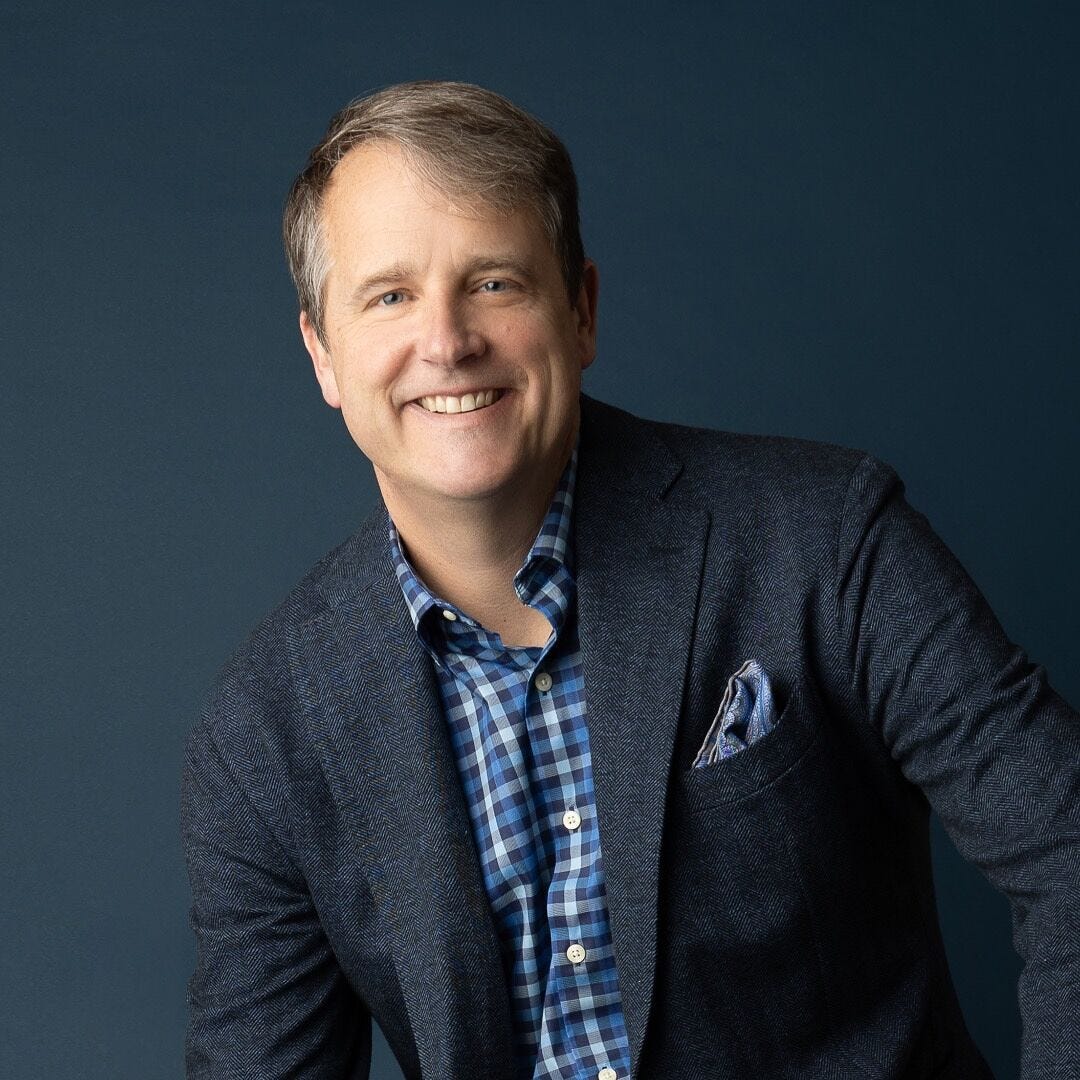
1. You’re a historian of WWII’s Pacific theater. When you started writing about Doolittle’s raid, did you imagine it turning into a trilogy of books about America’s air raids on Japan?
Never! I originally envisioned my book on the Doolittle Raid, Target Tokyo, as a one off, so to speak. It was a great story that I had long been interested in, and I felt I could add to our understanding of it. In fact, the genesis for Black Snow, which was the follow up to Target Tokyo, grew out of a previous book I had written, The War Below, which examined America’s submarine campaign in the Pacific.
In that case, several of the submariners I researched and wrote about ended up in a Tokyo area prison camp when American B-29s flew the devastating March 9, 1945 fire raid against the Japanese capital. That raid, which was the focus of Black Snow, was just a few pages in The War Below, but the story really haunted me. Soon after I finished the Doolittle book, I decided to return to the fire raid.
Similarly, Empire of Ashes grew out of Black Snow. While I was in Japan conducting research on the fire raids, I spent time in Hiroshima interviewing survivors and gathering accounts from the museum. When I wrote my first draft of Black Snow, I added a lot of that material into the manuscript.
My editor read the first draft of the book and very wisely noted that the material did not belong. Hiroshima, he told me, was a different book. As a result, we cut out a lot of that material and kept the focus of Black Snow on the fire raids.
When I wrapped up Black Snow, I had all this great material and a real interest to dig deeper. I went back to Japan, conducted research in Hiroshima and Nagasaki, and turned my focus not just on the atomic missions, but on the politics of war termination, both in the United States and Japan.
2. Throughout the three books, readers are introduced to a host of memorable characters: Doolittle, Emperor Hirohito, Admiral Yamamoto, General LeMay, Truman, Leslie Groves, Paul Tibbets, and many more. Who has stuck with you or surprised you the most?
Wow, that’s a really hard question. That’s like asking which of your children you like best.
Doolittle is such an amazing figure, not just for his wartime exploits, but his overall contributions to aviation. I have always thought at some point it would be great to revisit him in a biography.
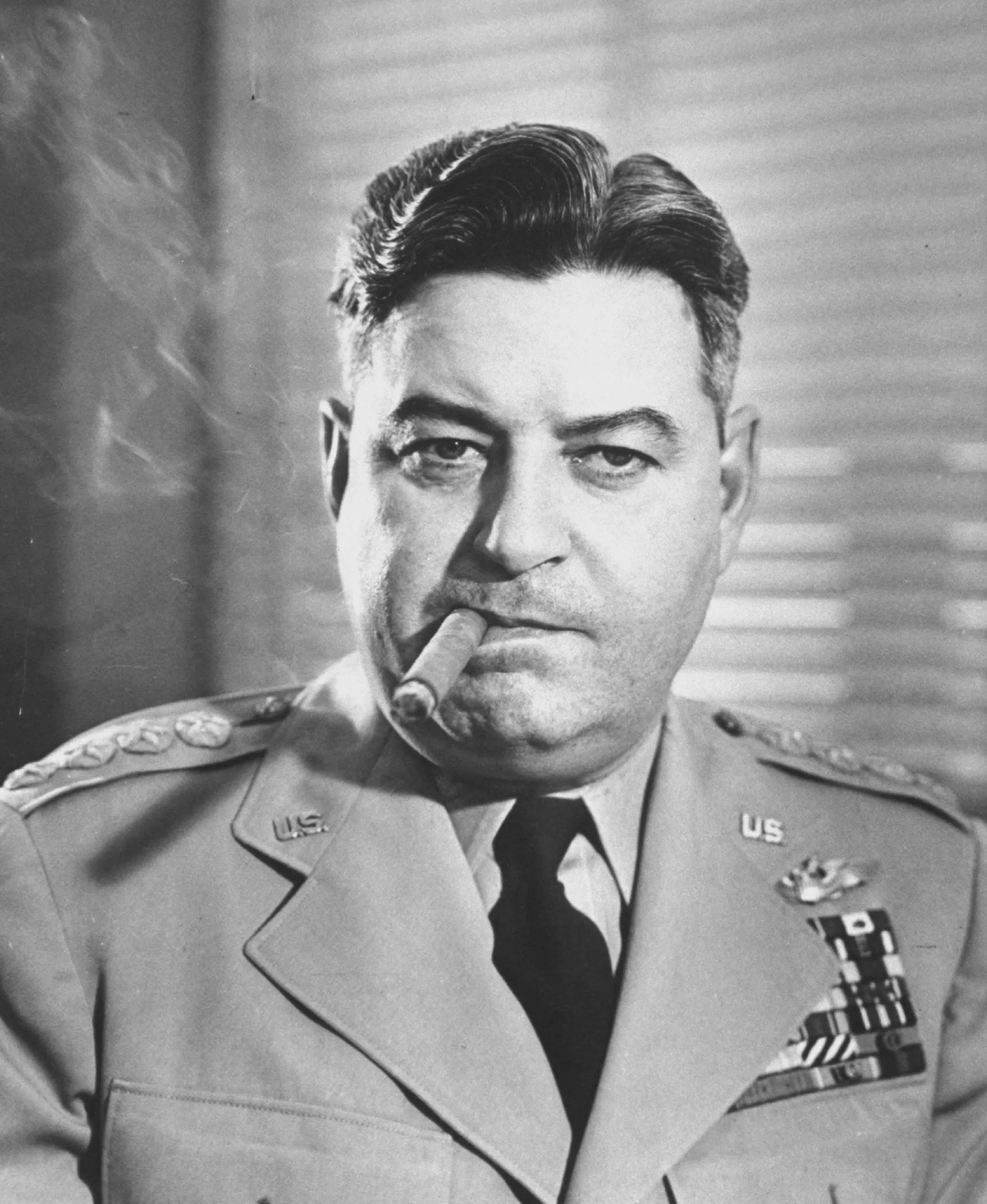
LeMay and Groves are two of the most fascinating, important, and overlooked individuals of the war. In a conflict filled with large personalities — leaders like Douglas MacArthur and Bull Halsey — LeMay and Groves are often overshadowed. But the pioneering work they did truly helped end the war. I also found them to be very similar individuals. Both were socially awkward, difficult to work for, but had incredible drive and tenacity.
In short, they were the right people in the right place at the right time.
On a similar note, so, too, were Truman and Emperor Hirohito.
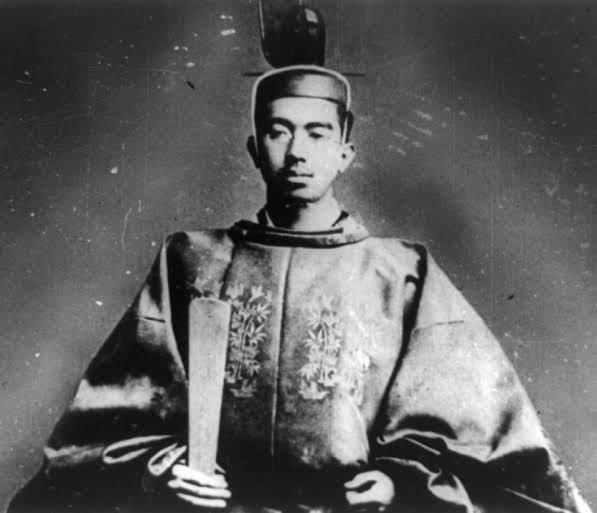
Even though both came from completely opposite backgrounds — one a former farmer, the other a reclusive monarch — both were in many ways marginalized figures who had to rise to the occasion and figure out how to bring an end to the war before it devolved into a far larger catastrophe.
3. In Empire of Ashes, you wrote that the decision to utilize nuclear bombs is perhaps the most debated question of WWII. What prompted you, then, to write this book? Were there big questions that you felt were still unanswered?
It’s one of those things that you never really realize exactly what you have gotten yourself into … until you are in it….
Truthfully, I never set out to answer that question specifically.
Truman faced what is likely the most consequential decision ever made by a world leader — to hurry up and end the war, should he order the annihilation of two cities, an order that would kill or wound hundreds of thousands of men, women, and children? That is just a mind-blowing proposition for any leader to have to face.
What I wanted to do was back up and look at how we ended up at that perilous point — and what were the outcomes of the decision. And I wanted to do it in an up-close and personal way. I wanted to show readers step-by-step how that process unfolded.
My hope, too, is by telling the story in detail from both the American and Japanese perspectives that readers will grapple with that decision and the outcome themselves.
4. Beyond being an incredibly important slice of history, how do you think this story and subject matter can still speak to us? What does it have to say to modern readers?
Truman’s decision has hung over us all for the last eight decades — and could not be more relevant today. The threat of nuclear weapons by Russia has served as the backdrop for the war in the Ukraine.
The same is true with Iran, where America’s efforts have been designed ostensibly to prevent that nation from obtaining nuclear weapons.
These are big debates and difficult decisions, and I hope readers of Empire of Ashes will come away with a better understanding of what it was like in 1945 — and what that means for today.
5. It won’t be long before we don’t have any WWII veterans with us anymore. How do you think younger generations can keep the memory and lessons of WWII alive?
Buy my books! Just kidding. But you are correct in that we are losing that generation each day, and with them go so many of these incredible stories.
Personally, I find World War II immensely fascinating — the size, scope and scale of the conflict — and just what it took for this nation to win. The mobilization. The money. The logistics. Sixteen million men and women served in uniform. At its height, this nation spent 96 cents of every federal dollar on the war or the debt service. Those numbers are just astounding.
And I do think it’s easy to lose sight of that in today’s day and age where we are accustomed to being a powerful nation. Plus, with social media, streaming services, the Internet, cell phones, etc., we have a wealth of distractions to contend with as well. Along with that we are seeing a decline in young people studying history.
The key, I hope, is that in telling these stories, and in doing so in an engaging manner, historians can hopefully light a spark in some, who like me, will find these stories interesting and want to build on them.
6. What piqued your interest and got you started down that path as a historian?
I landed where I am today purely by chance.
My first job after college was as a public school teacher in rural Japan. This was back in 1997; and it’s important to add that nothing in my education background pointed to me ending up in Japan. After all, I was a Spanish and English major in school. I saw Japan as a one-year opportunity to learn about the country and figure out what I wanted to do in life.
In the 1990s, there were still a lot of veterans around in Japan and people who survived the war. I taught an evening conversation English class at my town’s community center, where some of my students told me stories of surviving the fire raids. Of course, at that time, I knew almost nothing about the raids.
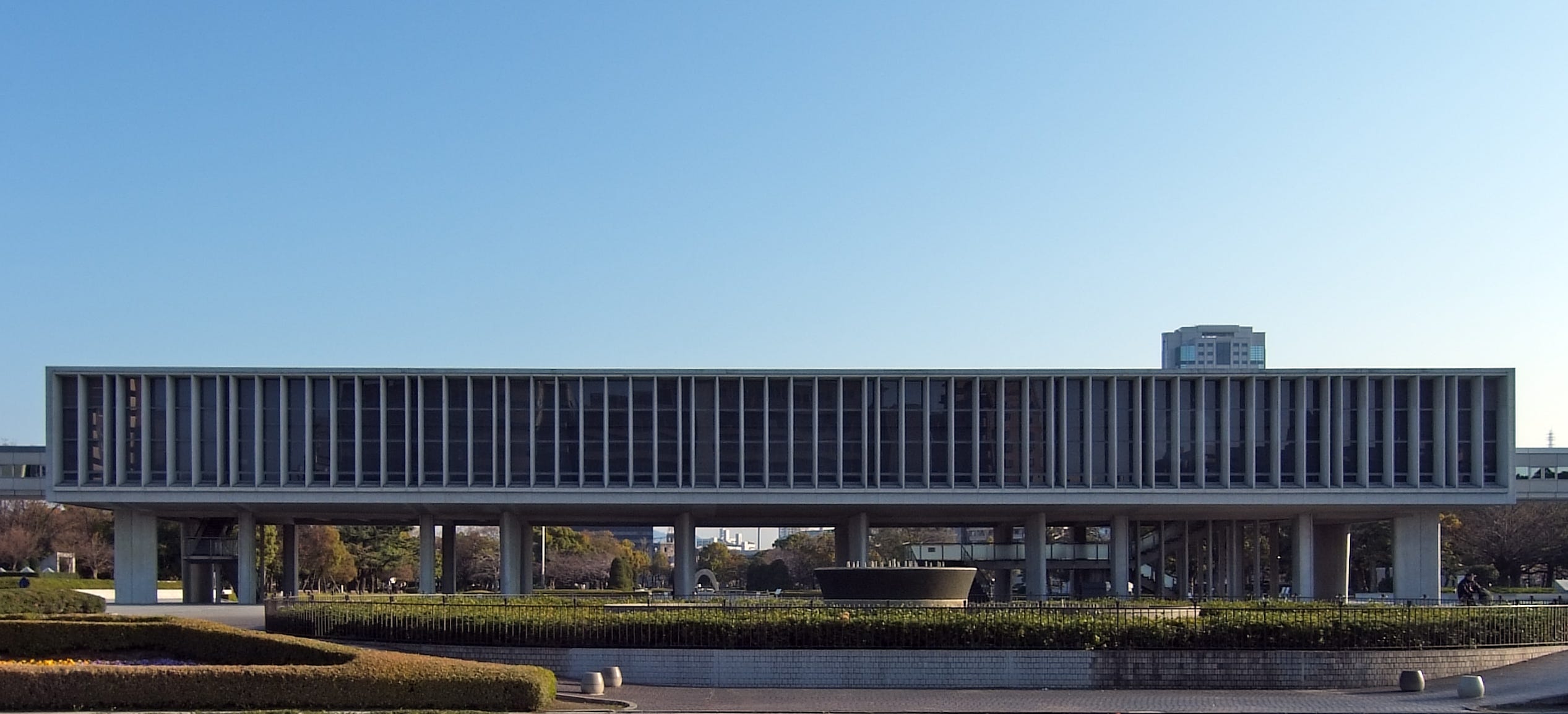
It was during that year, too, that I made my first trip to Hiroshima, where I toured the museum. About two weeks after that visit, I flew to Hawaii for my spring break to see my parents. While there, we visited Pearl Harbor, which like Hiroshima, I found fascinating and powerful.
So, for me, in the span of just a couple of weeks, I literally witnessed the bookends of America’s experience in World War II.
And something clicked.
I started reading all the books that I could get my hands on about the war — but for me, my interest has always been the war in the Pacific. I spent a few years after my time in Japan working as a newspaper reporter before I decided to go back to school when I was around thirty. It was there as a Nieman Fellow at Harvard, where I began researching and writing my first book.
7. Do you have a Mt. Rushmore of history books or authors?
Wow, this is a tough one, because truthfully there are so many great books and great authors, many of whom are my friends. What I will say is that I prefer narrative nonfiction writers over academics. I enjoy stories.
And history doesn’t have to be boring.
I always say that the best stories are ordinary people in extraordinary situations. People like Harry Truman, a former farmer with no college education, who winds up one day as president … and at a critical moment in our nation’s history… faced with a monumental decision no world leader has ever had to confront…
Now that’s a story I would like to read!