
Back in high school, I wasn’t much interested in reading classics. When those books were assigned, more often than not I just outright skipped the reading. I was not a literature major in college; though I took a couple of English classes, my majors were journalism and religious studies. When I got to my mid-twenties, I was approximately zero percent familiar with the classics. I was a prolific reader but at that point in my life my shelves were mostly filled with thrillers and popular history books.
Then I started working at Art of Manliness, got acquainted with their excellent list of “100 Books Every Man Should Read,” and dove in. I started with The Great Gatsby, moved to The Catcher in the Rye, devoured Frankenstein . . . I was stunned by the timelessness and beauty of these books and I’ve been reading classics pretty regularly for the last dozen years or so.
All in all, I’ve given myself a pretty darn good English Lit self-education. One of my primary weak points, though, is ancient literature. Prior to this fall, I hadn’t read much in the way of those epics and Greek tragedies. But I recently had a couple of great reading experiences and quickly realized these tales truly are the foundation for all the stories that came after them.
I’m certainly not a pro, but here are a few ancient stories I can recommend and a couple of tips for getting through them.
The Epic of Gilgamesh
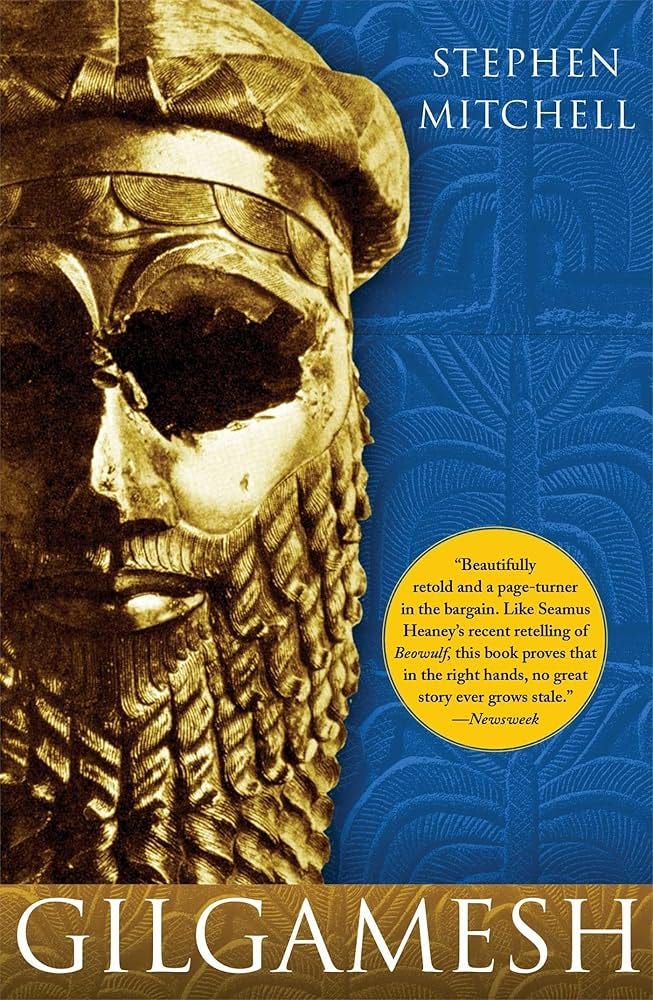
The Epic of Gilgamesh is the oldest surviving written story we have, going back ~4,000 years to ancient Mesopotamia. What makes it tricky for translators is that it’s been unearthed in a series of tablets that aren’t exactly marked by page numbers. But, scholars have nonetheless given modern readers an incredibly compelling version of it that is less about the prose than the story itself.
And what a story! There are two main characters, Gilgamesh and Enkidu, who are both superhuman, heroic types. The two fight over women, become as close as brothers, battle some monsters, and then go off in search of immortality. Within its pages are copious amounts of blood and guts and sex. Beyond that, though, The Epic of Gilgamesh does go deeper into those evergreen human themes of friendship, grief, and the futility of trying to escape death.
It may be the oldest story we have, but it holds up and is well worth your time. I listened to Stephen Mitchell’s translation, which turned out to be the perfect format for this action-packed story. The whole time I was listening I thought, “This is the original ‘80s action flick and it’s awesome.”
The Aeneid by Virgil, translated by Scott McGill and Susannah Wright
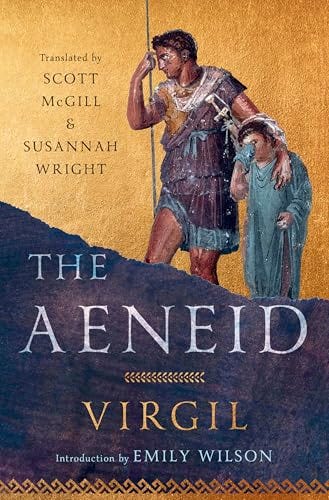
Getting a new translation sent to me was just the kick I needed to read Virgil. He comes up a lot in old novels as well as plenty of modern histories and biographies, primarily as someone who great leaders like Lincoln and Churchill have turned to time and again. The Aeneid certainly has a lot to offer:
Rome’s origin story and founding myth
A tragic love story
One of antiquity’s great Underworld scenes
A Roman retelling of the Trojan War (including the famed Trojan Horse story)
A creative reinterpretation of Homer’s great works
Big themes: fate vs free will, empire, loss, sacrifice, duty
There was a lot to like, but as a genre, I don’t find these ancient epic poems to be easy reading. (Perhaps I should’ve listened to it, as with Gilgamesh.) Following the narrative and simply trying to understand the names/contexts of things was tough and I leaned on a lot of Google + ChatGPT searches.
On my first reading of it, it felt like I just had to get the foundation set — figure out the story and get through the thing. That said, I rather enjoyed The Aeneid overall; it’s just one of those books that requires a re-read or two in order to get the most out of it. I won’t be doing that right away, but I’ll certainly revisit it someday.
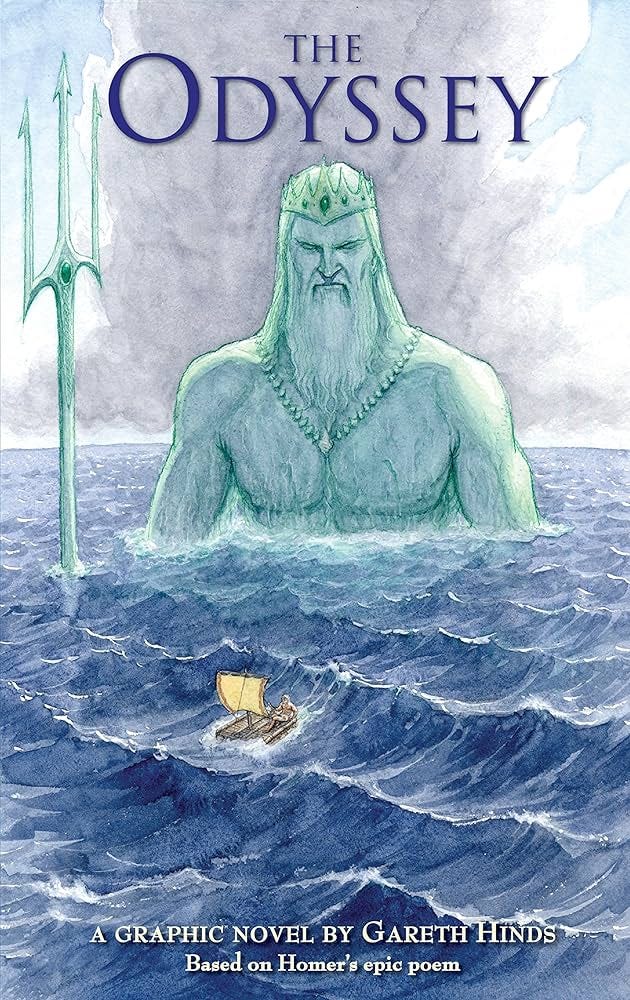
The Odyssey by Homer, abridged and illustrated by Gareth Hinds
I read The Iliad a number of years ago and enjoyed it, but never ventured into Homer’s other great epic, The Odyssey. It’s another story that comes up over and over in other works of literature and is worth knowing for the cultural capital alone.
Rather than reading the full-size adult version though, I read an abridged graphic version with the 10-year-old. And it was really good! Telemachus’s search for answers, Odysseus’s fight to get home, Penelope’s strategic wiles . . . it really is an incredible, timeless story.
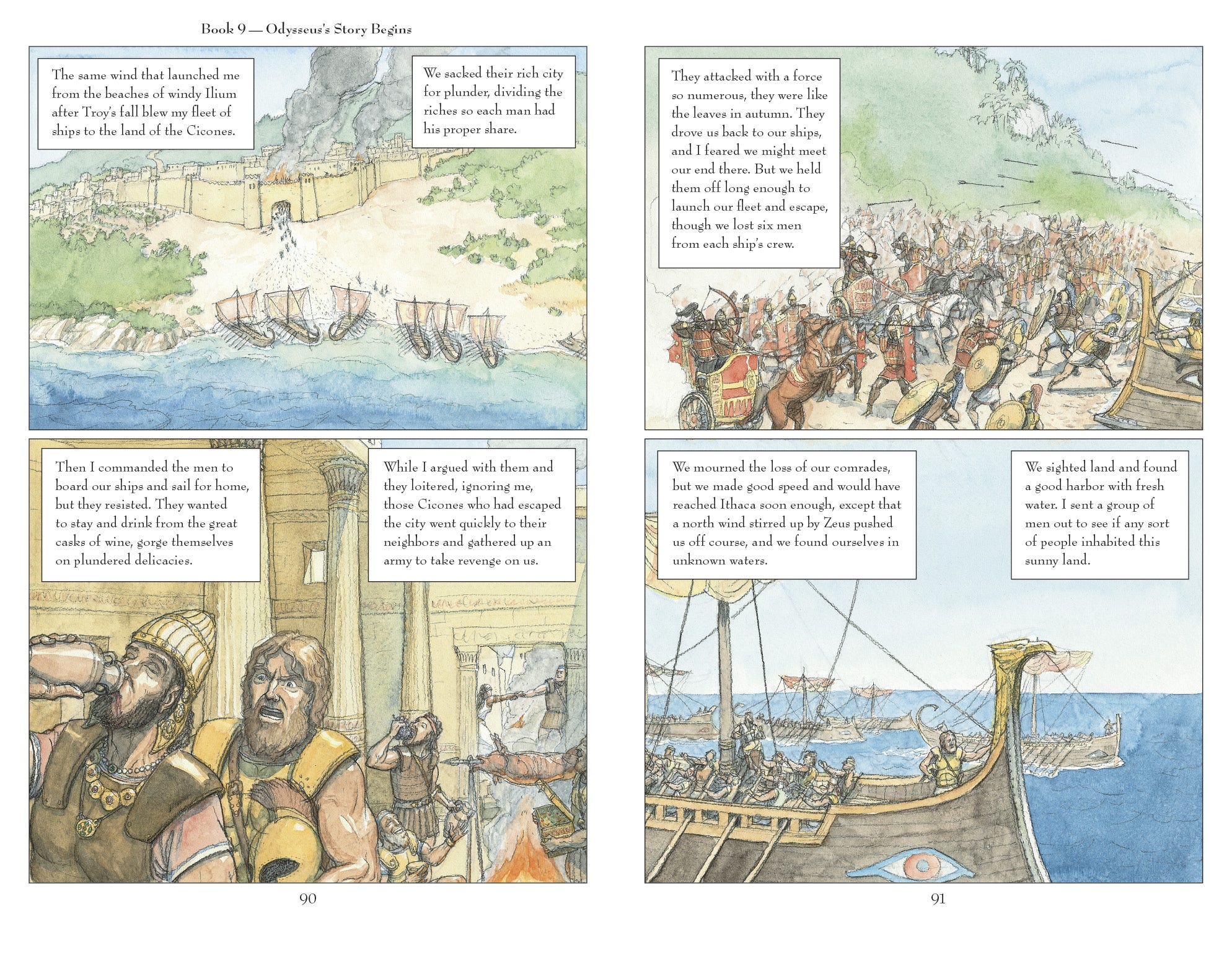
I think this approach of reading an abridged and/or graphic version is actually a great way to get introduced to a classic story without the intimidation factor. Now that I know the outline of the narrative, I’ll be much more confident when I tackle the real thing — which will have to be next year before the Nolan adaptation comes out next year:
Thanks so much for reading,
Jeremy
At first I was like holy crap does Jeremy have back door access to new trailers before anyone else? I would not put it past you. Then I realized it’s a damn impressive fan made trailer so I was like holy crap the things people can make on a computer are incredible (but I’m also hoping Nolan’s movie looks way different).
Haven’t quite got to the Aeneid yet but it my list. I had bonuses they do graphic novels of the classics! It had been far too many years since I read a graphic novel. Think my last was Alan Moore’s Watchmen, which came out in 1986!