
Less than two weeks ago, in my review of Eric Jay Dolin’s The Wreck of the Mentor, I wrote:
“No matter how many shipwreck books I read (Endurance, Into the Raging Sea, The Wager, In the Heart of the Sea, The Gales of November, The Perfect Storm . . . ), I can pretty much guarantee I’ll also want to read the next one that comes out.”
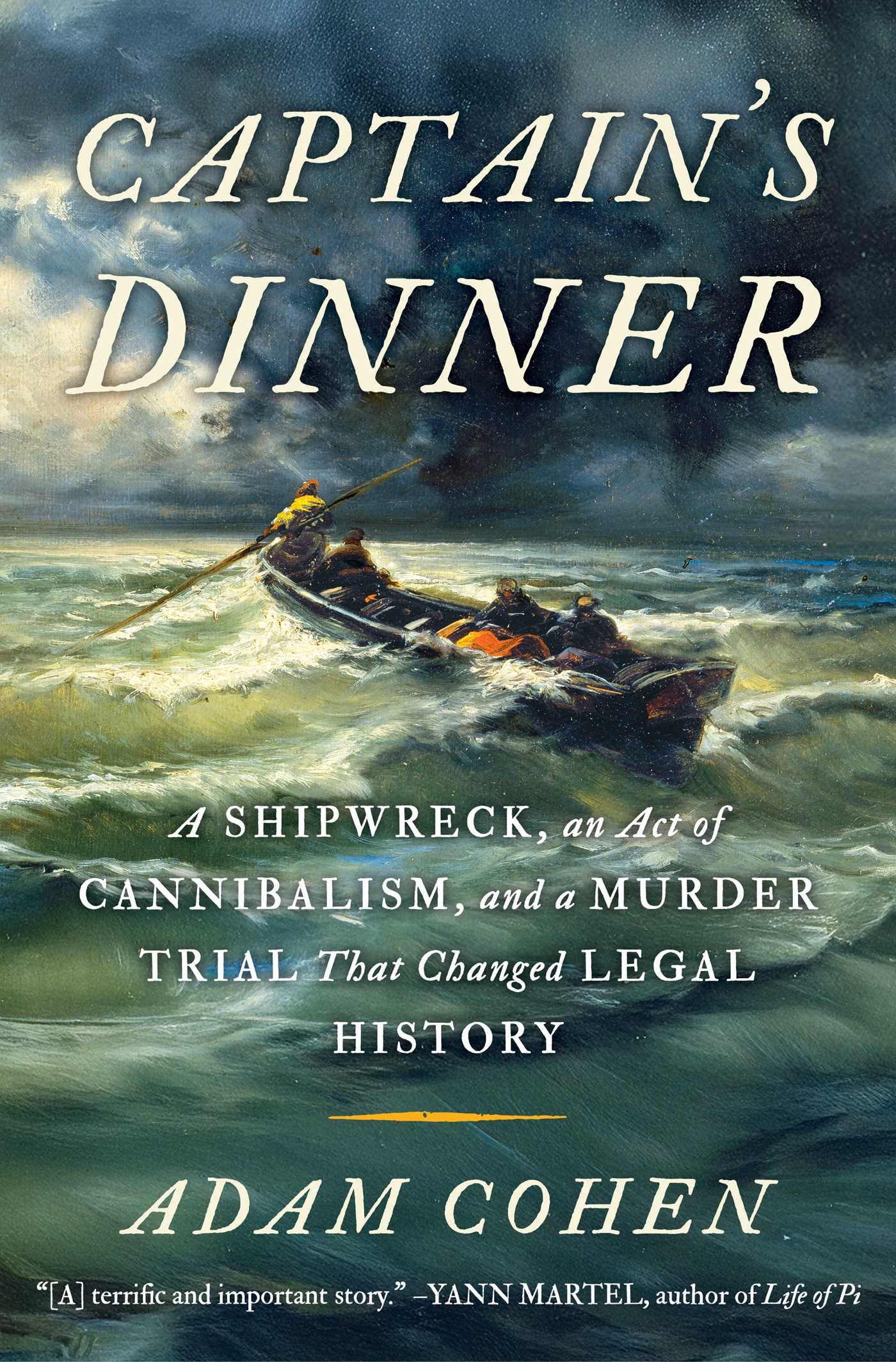
Turns out, there’s one that came out in late 2025 that escaped my attention until I interviewed author James Donovan. Adam Cohen’s Captain’s Dinner has everything I need in a book: a shipwreck, murder, cannibalism, and just enough moral philosophy to make you think without bogging the story down.
I was absolutely hooked on this thing from start to finish. Before diving in, though, let’s start with a joke:
What happened to the cannibal when he was late to dinner?
He got the cold shoulder.
You’re welcome.
The Wreck
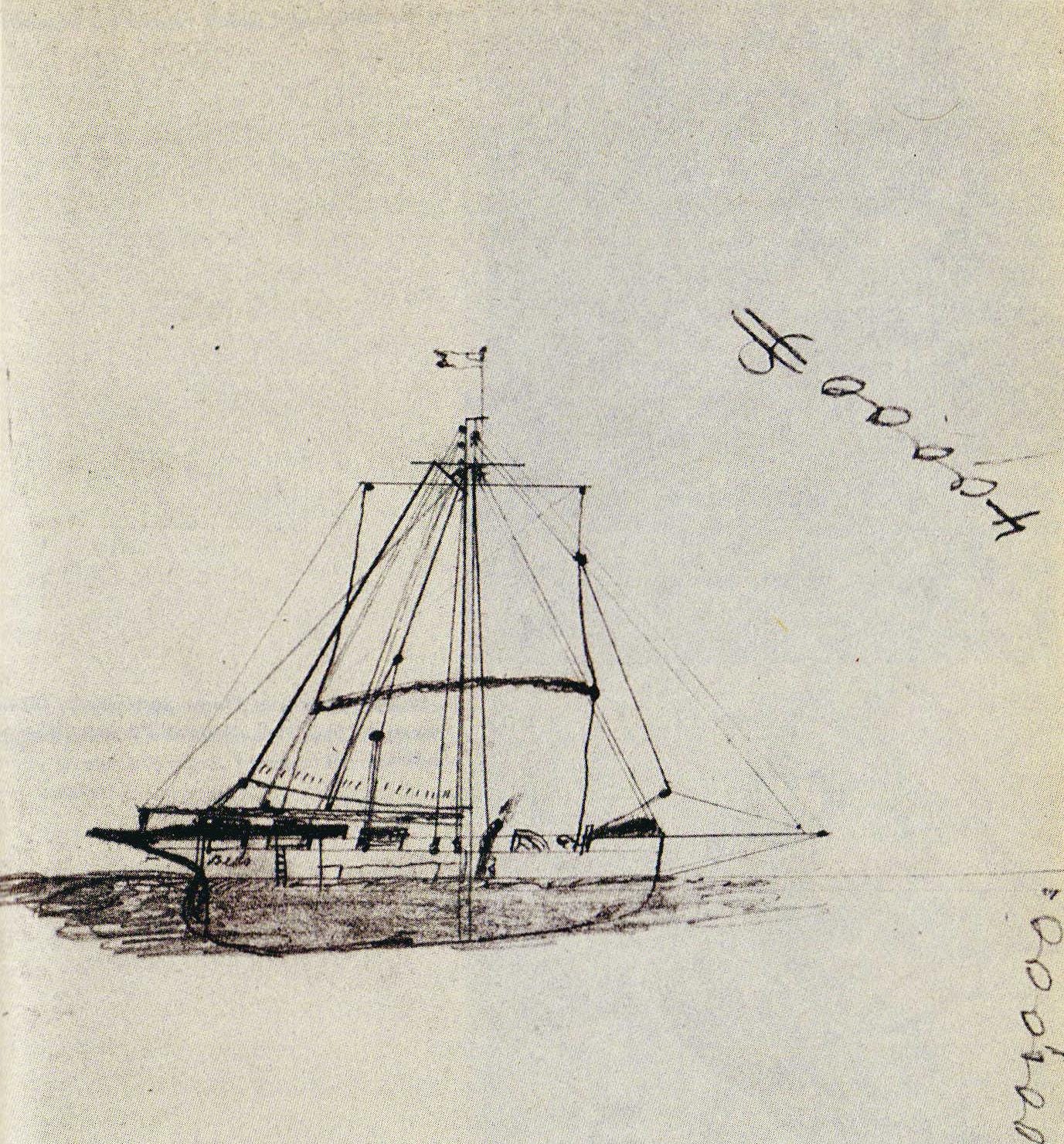
Similarly to The Wreck of the Mentor, the actual shipwreck featured in Captain’s Dinner occupies a rather small portion of the narrative. That’s just fine, because the rest of it is fascinating. In 1884, Captain Tom Dudley and a crew of three other men were tasked with delivering a small yacht, the Mignonette, from England to its new owner in Sydney, Australia. Even if you aren’t geographically inclined, you’ll know that’s a long voyage. Really long. And this 50-foot boat was not made for ocean crossings.
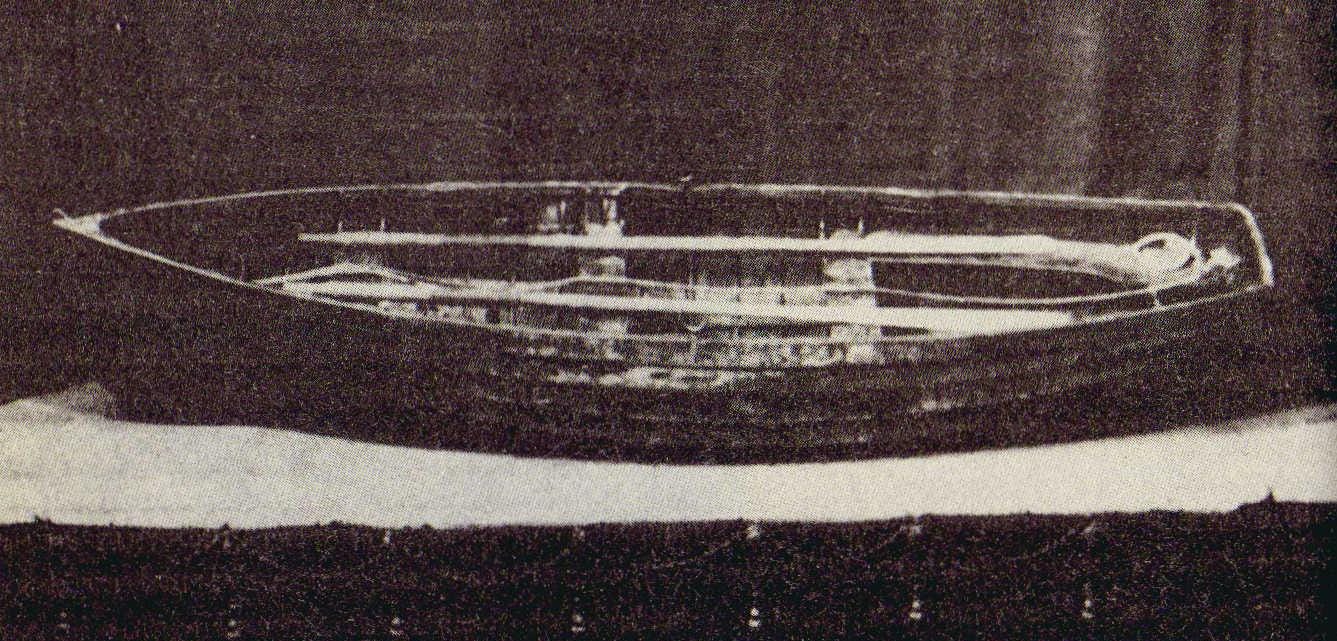
As the Mignonette was rounding the southern tip of Africa, it encountered a wicked storm and sank. Thankfully, there was a small lifeboat for the men to hop into, which kept them afloat and alive for another few weeks. And that’s where things got really interesting.
The Custom of the Sea
Cannibalism has had a prominent place in survival narratives for as long as humans have existed on this planet. (Even earlier, when you consider cannibalism among animals.) In the most dire situations, it has indeed been necessary to consume human meat and blood in order to stay alive. In many cases, the person being eaten was already dead; in some situations, however, a sacrifice has been required.
On the ocean, where food and water are especially hard to come by, this scenario has not been uncommon. Crews of shipwrecked men would agree (theoretically) to draw lots, with the loser being summarily killed and consumed. This practice came to be known as “the custom of the sea.”
What makes the case of Captain Dudley and the Mignonette unique is that they didn’t follow that custom. When their food was gone and the fresh water (in the form of rain) disappeared, Dudley unilaterally decided that poor Richard Parker, the inexperienced 17-year-old, would have to be killed for the sake of the others’ survival. I’ll let you read the book to learn the details of how that scene transpired.
After the three remaining men were rescued just days later, they freely admitted what happened on the lifeboat. Nobody had ever been tried or convicted for this type of murder and cannibalism, so the crewmen had no reason to hide their actions.
From Barbary to Human Rights
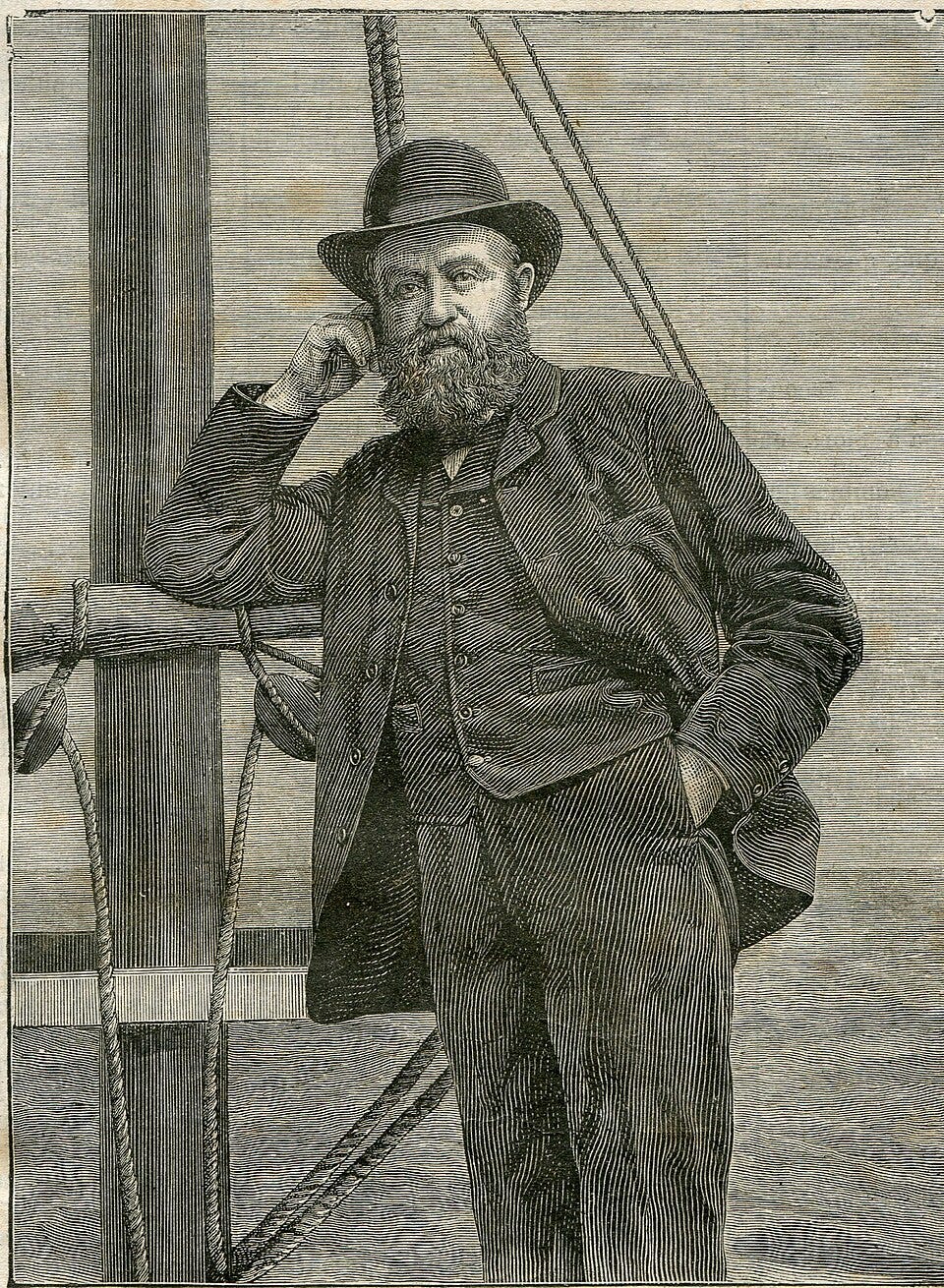
The problem, for the men of the Mignonette, was that the Victorian Era was changing how the world viewed barbarism, morality, and human rights. The most prominent thinkers and writers, including the likes of Charles Dickens, were highlighting the welfare of children and preaching that humans deserve equal treatment and dignity, regardless of their station in life. That’s a big “duh” for us moderns, but was fairly revolutionary back then.
So Dudley and the others were pretty shocked when they were arrested and tried for murder upon their return to England. The legal case that followed marked a line in the sand, after which human rights would forever be legally enshrined. At its core, the case became a debate between the pragmatic view of human worth and the view that says every life, by its nature, is just as valuable as every other.
Why This Book Matters Today
Shipwrecks and murder and cannibalism always make for compelling narratives, but I really appreciated the unique angle of Captain’s Dinner. It elevated the story from just a grisly tale to one that can still speak to us today — in fact, this case is still taught in law schools. While not exactly the same, similar moral debates could be found during COVID: When ventilators ran short, would they be taken away from older folks and given to younger people? And with the advent of AI the question continues to pop up, like if a self-driving car has to determine the worth of a pedestrian’s life vs. that of its occupants.
Though admittedly not every reader will be as interested as me in discussions of utilitarianism vs. deontology (basically, “the ends justify the means” vs. “there is an absolute right and wrong, regardless of outcome”), the author deftly handles the debate without getting too philosophically detailed. This book is always very accessible because Cohen is just a hell of a storyteller.
Captain's Dinner is one of the best histories I've read this year. If you're drawn to shipwreck stories, or simply love books that force you to wrestle with difficult moral questions, it’s a must-read.
Thanks so much for reading. Be good to each other. Don’t eat anyone.
-Jeremy
Ooh, another book rec I'm taking from you! The Captain's Dinner sounds amazing.
We're doing a bit of overlap because I'm covering some shipwreck recs this coming week, but my Mignonette book is an old one, "Cannibalism and the Common Law".
Dang, Jeremy! Cannibalism?! 🤣
The moral and legal debate that precipitated from this is genuinely intriguing. At first, I read this post out of morbid curiosity, expecting not to be interested beyond your shared take, but given my own interests in humanity and the ongoing debate of intrinsic human worth, this just might make it onto my bookshelf…